Telemetry and Connectivity in Agricultural Machinery
In this article, we dive into the world of telemetry, operational monitoring, and advanced management of agricultural machinery, examining the latest technological standards available on today’s equipment. Most importantly, we’ll address a key question: How accessible are these cutting-edge technologies for farmers and contractors? Let’s explore together!
Telemetry systems and operational monitoring have become standard features in agricultural machinery. But is that really the case? First, it’s important to recognize that these technologies go far beyond the requirements of advanced agriculture. Many machines are already equipped with remote software updates and can be diagnosed completely from a distance, incorporating all the latest concepts of Agriculture 4.0. To grasp the potential of these innovations, let’s look at the current state of agricultural machinery technology and the communication process between tractors, farms, and support services. Keeping tabs on a farm’s equipment has become crucial, both for tracking delicate operations and enabling real-time remote maintenance, helping to minimize downtime.
Telemetry: Are We Sure We Know What It Really Means?
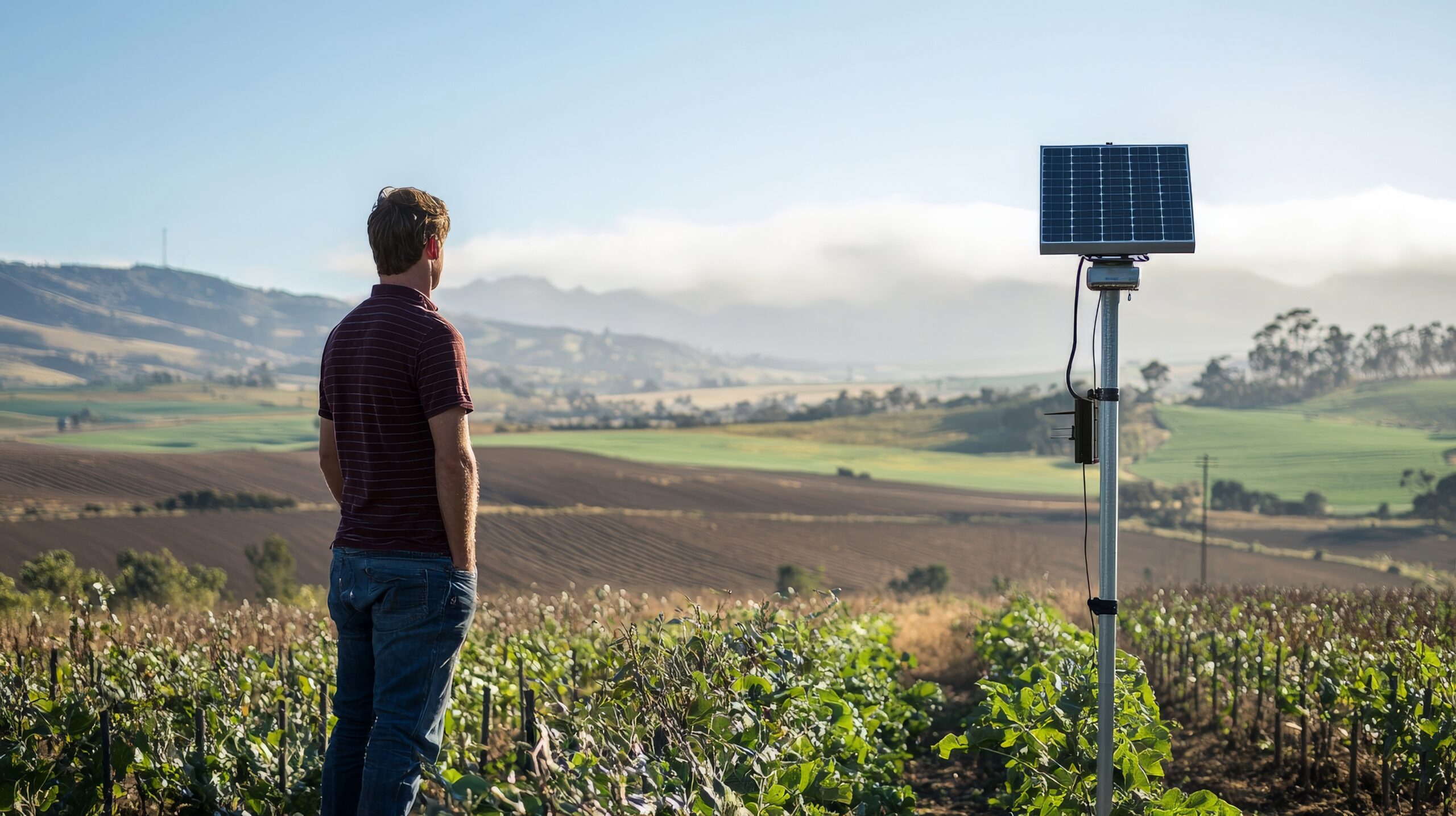
Broadly speaking, telemetry refers to measuring data from a distance. In agricultural mechanization, it involves transmitting information to a receiver, whether that’s the farm itself, a dealer, a support team, or another machine. So, what kind of data are we talking about? Hours worked, acres covered, engine temperature, fuel consumption, and the vehicle’s geolocation. Tractors are equipped with an onboard control system, a data transmission unit, and additional technology to facilitate data collection, remote monitoring, and predictive maintenance. The aim of these systems is to promote low-impact, cost-effective farming that optimizes productivity while minimizing production costs, all while ensuring full traceability for consumer safety and environmental protection. Thanks to precision agriculture, we can not only automate specific mechanical operations but also adopt a truly advanced approach to managing farming enterprises.
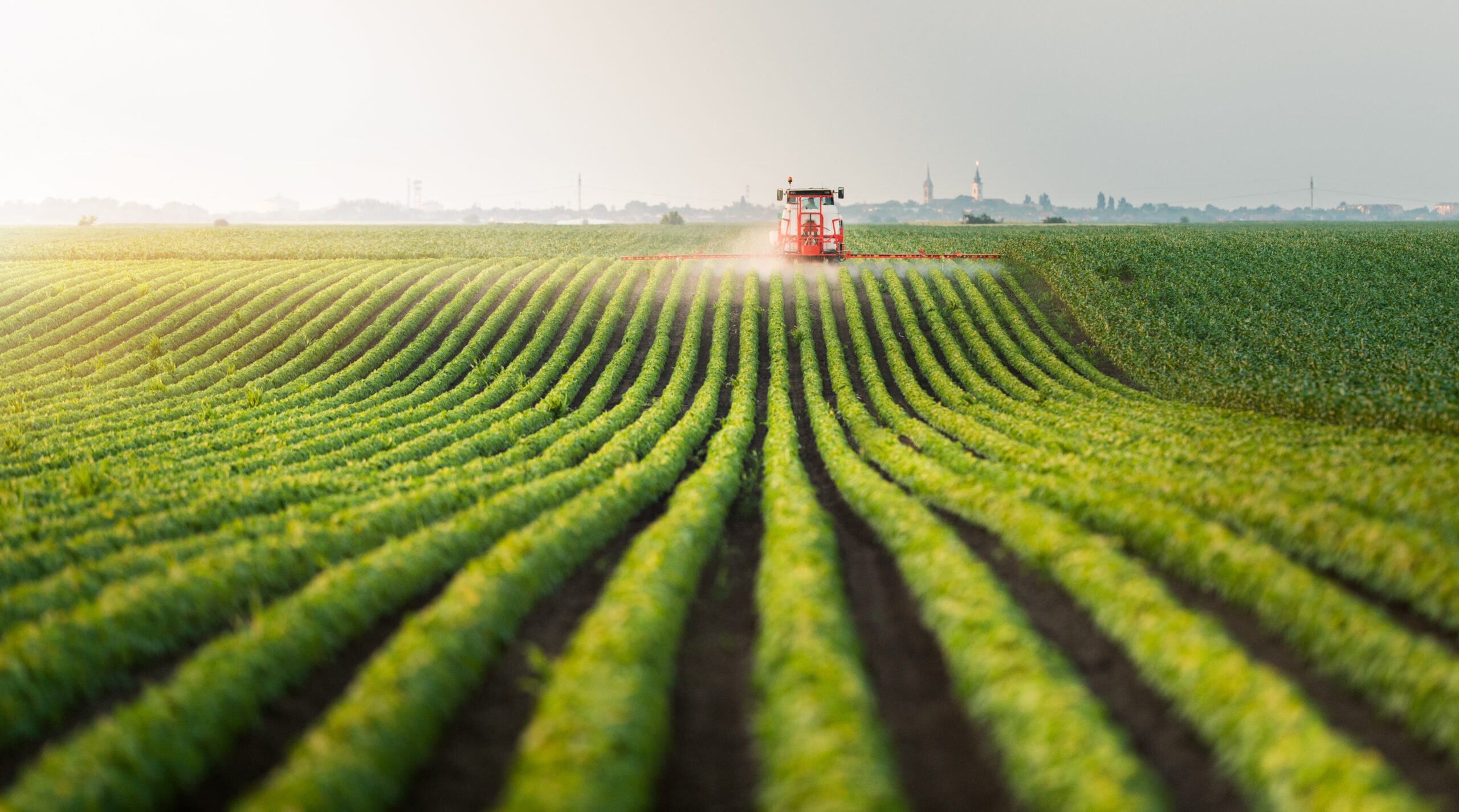
The Data Flow in Action
Telemetry architecture allows for the collection, storage, and processing of data within a farm’s information system, providing a comprehensive record of all mechanized operations. This also enables farmers to manage their fleets with telemetry in mind. This process is quite complex, as it requires organizing and tracking a variety of agricultural activities—performed by tractors, implements, self-propelled equipment, and individual operators—at specific times and locations, using consumables that contribute to operating costs. With this data, farmers can generate accurate assessments of each machine’s performance and usage, shedding light on both the machine’s financial impact and its operational efficiency. Thanks to this technology, we can conduct detailed analyzes based on real-world field data.
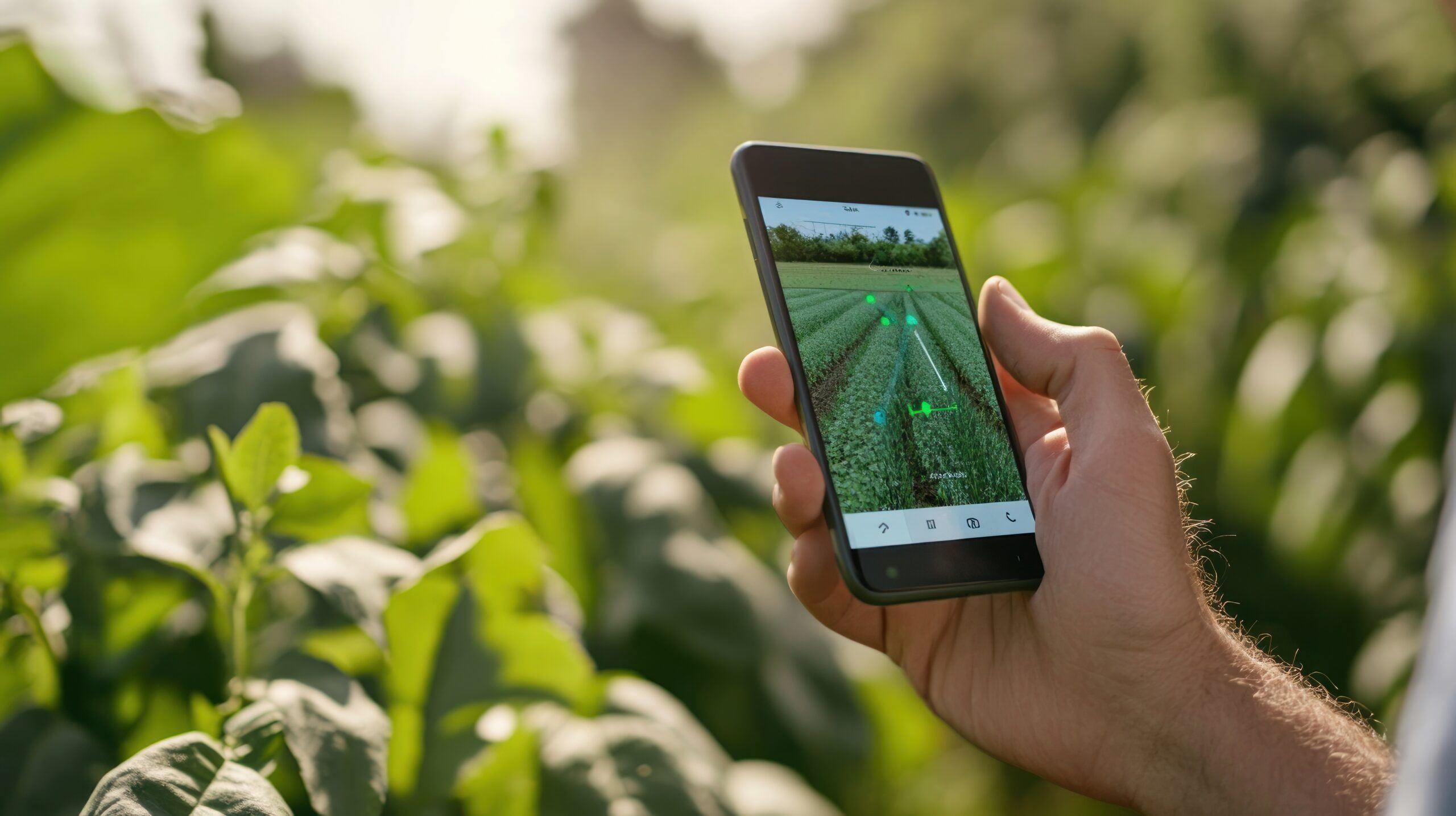
Data Traceability and Transfer
When it comes to traceability in farming operations, having a secure, objective data record is essential for fulfilling reporting requirements. This system automatically logs machinery data and transfers it to the farm’s database, whether through an on-site server or the cloud, enabling real-time monitoring and fleet management. By maintaining historical records of production, operations, machine performance, and the relationship between fertilization and yield, these systems automate the flow of data from the tractor’s terminal to the farm’s computer or agronomist.
Position and Activity: Constant Oversight
A standout feature of telemetry is the ability to monitor where agricultural machinery is and what it’s doing. This capability operates on several levels: at the most basic, we can track the vehicle’s location using GPS and monitor essential operational parameters like engine status and fuel consumption—often accessible right from a smartphone. In addition to the owner, dealers can access not only general working parameters but also critical information like fluid temperatures, oil pressure, friction levels, and overheating alerts. They can receive codes for any potential malfunctions, allowing them to address issues proactively. Furthermore, technicians can remotely access the system to perform software updates, transforming what could be a lengthy repair process into a quick fix, often completed in just a few minutes without the need for physical intervention. Both owners and technicians can view the tractor’s display as if they were in the cab, seeing exactly what the operator sees in real time. This allows them to offer timely suggestions on how to set up the machinery for a particular task, helping to reduce fuel consumption, increase productivity, or simply prevent potential breakdowns.
Predictive Maintenance
Predictive maintenance through telemetry is another key advantage. By analyzing operational parameters, we can identify components at risk of failure or those that are wearing out more quickly than expected, potentially leading to breakdowns and costly downtime. The goal is twofold: adjust operations before issues arise and, if needed, schedule preventative maintenance to avoid complete shutdowns. In other words, it’s about understanding what might go wrong and intervening before it happens. This is undoubtedly one of the most valuable benefits of digital agriculture. At BKT, we’ve developed customer support services through our trusted distributor network, ensuring a strong global presence across over 160 countries. Stay tuned to our blog for the latest industry trends and tips to maximize the potential of your machinery!