
Precision Weeding: What It Is and Where We Stand
Let’s take a closer look at precision weeding. It’s already a known concept, but fully integrating it is still a work in progress. Why is that, and how far do we still have to go?
Precision weeding is emerging as an innovative solution to the increasingly complex challenge of managing weeds in agriculture. On one hand, EU regulations mandate a 50% reduction in herbicide use by 2030 to reduce environmental impact and pesticide use. On the other hand, there is a growing need for differentiated solutions to control weeds, which compete with cultivated crops. The goal is to experiment with precision weeding to enable site-specific herbicide applications based on actual weed density in fields. This approach challenges the idea that precision technologies are simply more expensive than traditional methods, showing that they are an investment that can help achieve more sustainable yields.

Precision Weeding on Different Levels
The approach to precision weeding can be adopted at various levels, without necessarily relying on complex and costly systems. Farmers can partner with specialized companies that develop prescription maps or, alternatively, use third-party service providers who implement specific equipment directly in the field.

Making Precision Weeding Accessible for All
Take spring treatments, for example: when applied with variable rate application (VRA), which optimizes the amount of product distributed across different areas of the field, it uses less herbicide and results in lower operating costs. This is because the herbicide is applied only where needed, in the right dosage for the level of infestation, and avoids spraying already treated areas or field margins. Choosing the VRA method allows for more efficient treatment, reduces the cost of technical equipment, optimizes the use of sprayers, improves product quality, and gathers valuable data for future operations. VRA relies on prescription maps that contain detailed information about the field to optimize the application of products. Alternatively, specific sensors detect weed directly in the field, providing real-time data to adjust the distribution using actuators.
Assessing Weed Infestation Levels
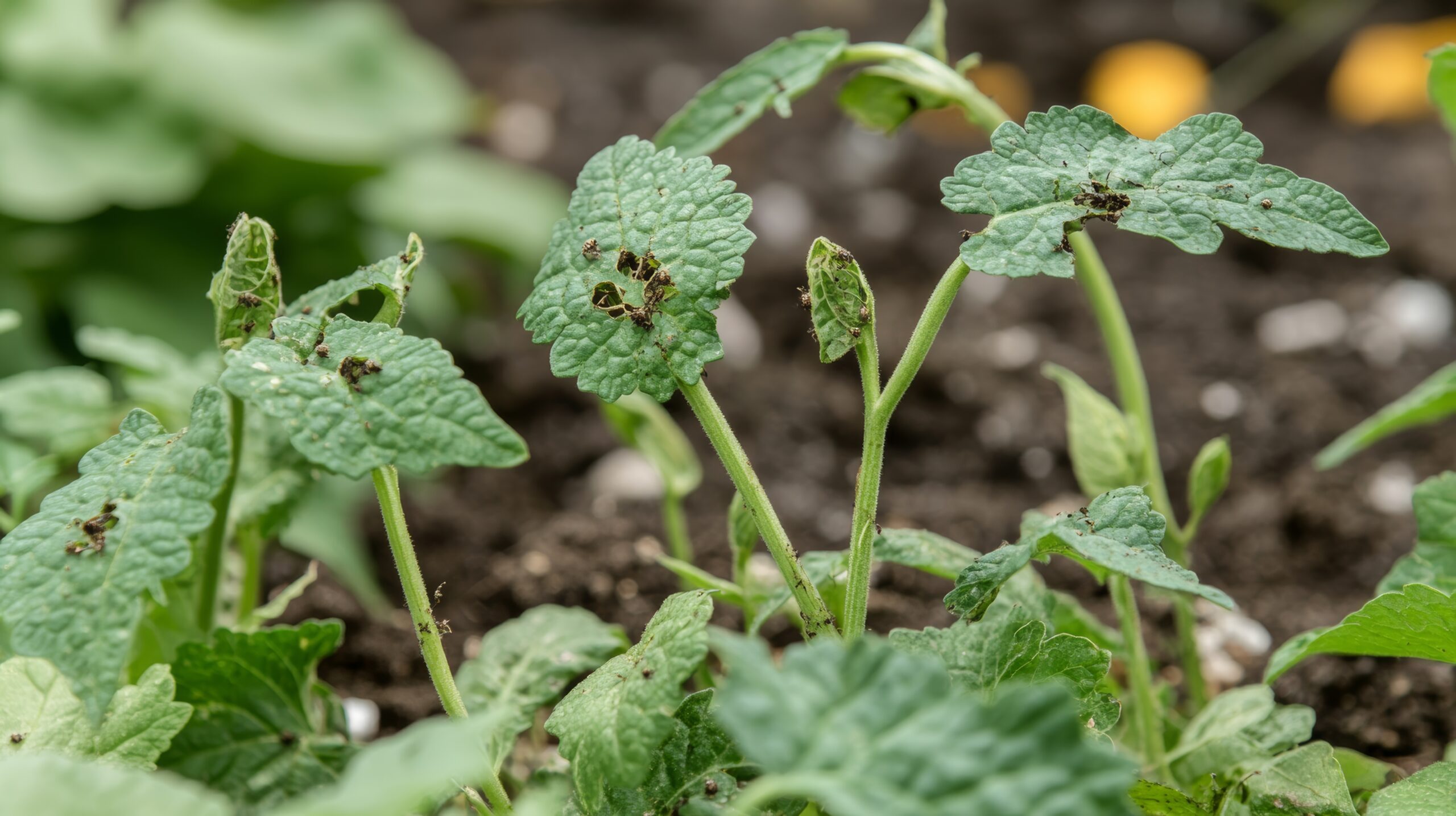
A key part of precision weeding is analyzing and monitoring the level of weed infestation, which can be done with drones or, more simply, using sensors mounted on tractor-mounted frames. Image analysis is performed to assess the level of infestation, creating an infestation map of the field. This map serves as the foundation for creating prescription maps for site-specific herbicide applications, followed by in-field treatment using a sprayer equipped with independent nozzle control systems.
Infestation and Prescription Maps
Once the images are collected, infestation maps need to be created by processing the data from the drone or proximal sensors. On the prescription map, “green” areas indicate where treatment will take place, while “red” areas are where treatment will not be applied. These prescription maps will then guide the site-specific distribution executed by a sprayer or a self-propelled sprayer with nozzle control.
Sprayers: Unstoppable Evolution
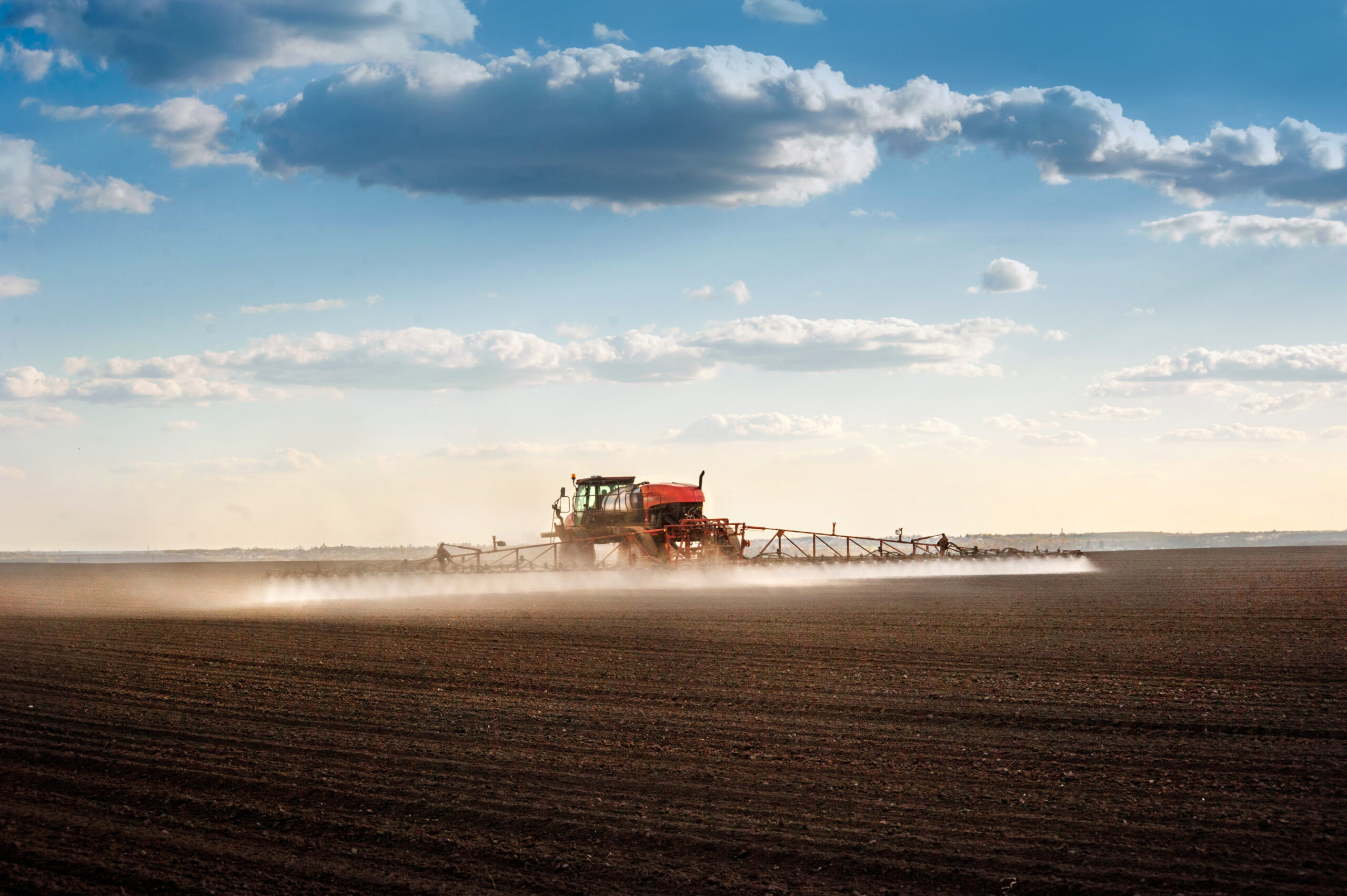
Variable rate sprayers operate with an electronic control unit that activates the spraying system based on information received from the tractor’s terminal or sensors. Special systems adjust the nozzle flow rate or the concentration of the product in the mixture, depending on the area of the field, while maintaining a constant flow. Sprayers with variable rate systems are the evolution of those with proportional distribution control. Using electronically controlled valves, the sprayers automatically activate nozzles with varying flow rates installed on multi-nozzle holders. This results in a greater variation in the total flow rate compared to DPAE (Electronic Proportional Adjustment System). In variable rate systems, the sprayer can be adjusted directly from the cab, allowing the operator to select the most suitable spray nozzle, for example, choosing between standard or anti-drift nozzles. There are also double or quadruple nozzle holders, as well as nozzles with variable flow or pulse-modulated nozzles. Additionally, these systems can include direct injections with separate tanks for the product and water. For sprayers, BKT has developed the AGRIMAX SPARGO SB, a tire particularly suitable for tractors and sprayers used in open-field spraying applications, as well as for specialized tractors in orchards and vineyards.
Precision Weeding: A Promising Technique
Precision weeding is a crucial technique for limiting chemical use in agriculture. Therefore, it is essential to develop data management systems that are easily accessible to farmers. Many farmers and contractors report that precision weeding is still a complex approach, with operational steps that remain time-consuming. Developers of new technologies are focusing on creating systems and equipment that are as user-friendly as possible, while also improving training for end-users and providing quick customer support, even remotely, to solve issues during operation. There’s no doubt that precision weeding has the potential to revolutionize modern agriculture by reducing pesticide use and improving operational efficiency. Although the technology is already well-established, there is still much progress to be made to make it accessible and simple for all farmers. With advancements in equipment and better training, the future of precision weeding looks promising. Keep following our blog to stay updated on the latest innovations and solutions in agriculture!