New, Used, or Leased Tractor: Which is Right for You?
The ways we purchase agricultural equipment, such as tractors, are changing. Leasing is becoming an increasingly popular option, offering a flexible alternative to buying. In this new blog post, we’ll explore the current trends and what the future holds.
Compared to two decades ago, the concept of owning and using a tractor has evolved significantly. The lines between buying a new tractor, a used one, or leasing have become increasingly blurred. Agri-leasing, while not yet widespread in Europe, has gained traction in 2024 compared to five years ago. Following a post-COVID period that saw many farmers purchasing new equipment, tractor leasing is now attracting renewed interest from both operators and dealers. This shift is due to uncertainties in the agricultural sector, coupled with a lack of incentives and subsidies, which have reduced the appetite for new machinery purchases. Farmers and contractors are also facing challenges in securing credit, making the purchase of a used tractor more difficult. Finding a machine in good condition or with a reasonable number of working hours is becoming increasingly complex. While ownership was once the primary consideration, today’s agricultural equipment purchases involve a more nuanced evaluation.
How did we buy tractors 20 years ago?
Changing a tractor in the early 2000s was a completely different process. It almost always started with the company’s budget. To purchase a new machine, farmers had to set aside an annual depreciation amount and wait until the end of the predetermined period to have the capital for a new purchase. Operating costs, such as insurance and maintenance, also needed to be considered. Since 2008, the agricultural sector has gradually aligned with other productive sectors, and various options for purchasing agricultural machinery have been considered, including leasing and used equipment. The internet, smartphones, and other devices have played a crucial role in facilitating contact between buyers and sellers of used agricultural equipment, speeding up negotiations and purchases.
Buying used in 2024
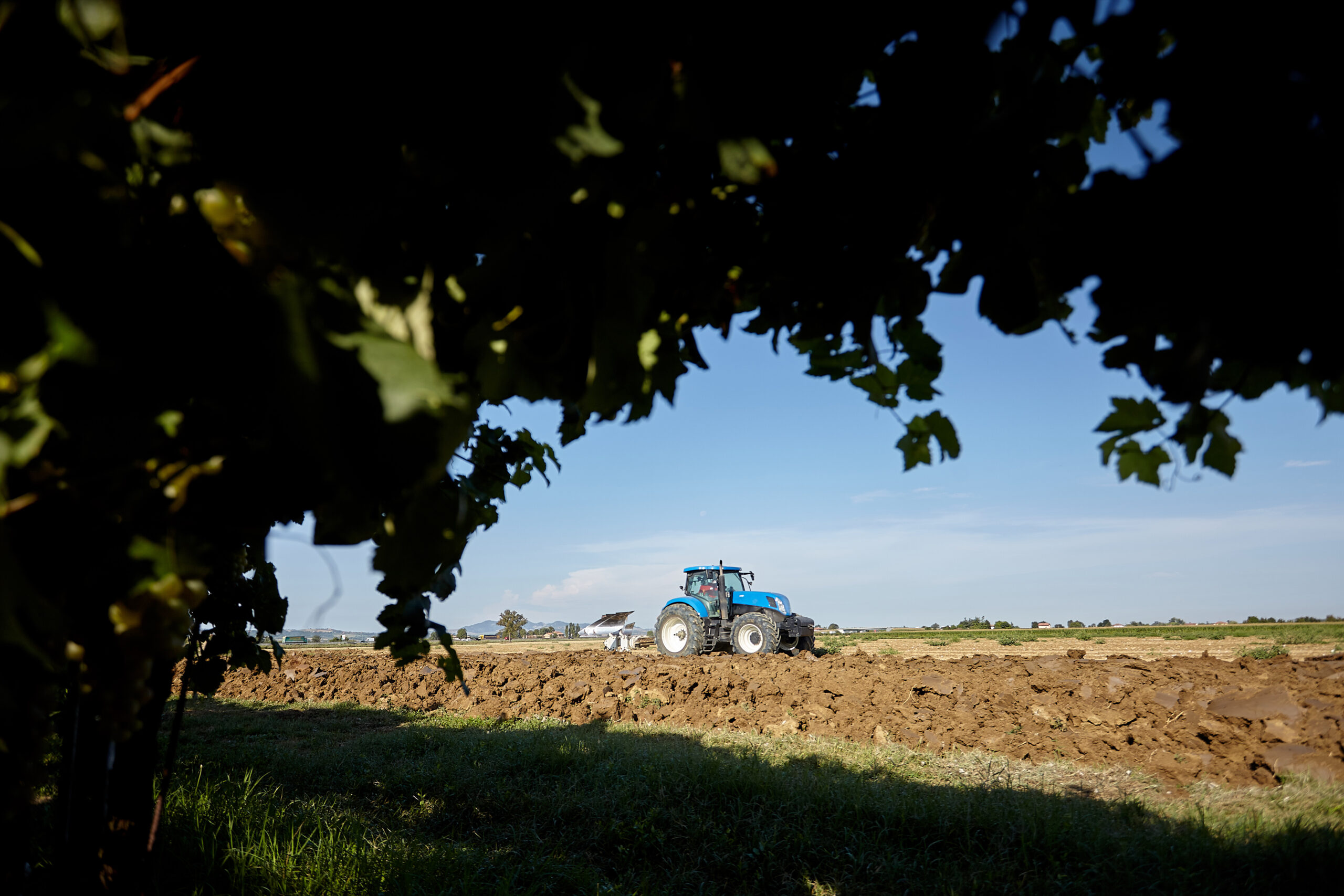
While it was once the simplest and most immediate purchase option, finding a used tractor in good condition is now challenging. To be a viable alternative to a new tractor, a used machine must meet specific criteria. Buying a used tractor can be a great opportunity for many. Those who opt for second-hand machines often do so because the cost of new equipment is prohibitive. In general, the specialized used equipment market retains good value, unlike high-end models that experience significant depreciation. Contractors are an excellent source of used machines. Their drive for technological innovation makes them a prime source of machines between 3 and 6 years old, offering attractive prices and performance for those who cannot afford new tractors. Despite these advantages, the used agricultural equipment market still faces unresolved issues, particularly in terms of establishing a standardized valuation system for machines.
Buying a new tractor: For those who can
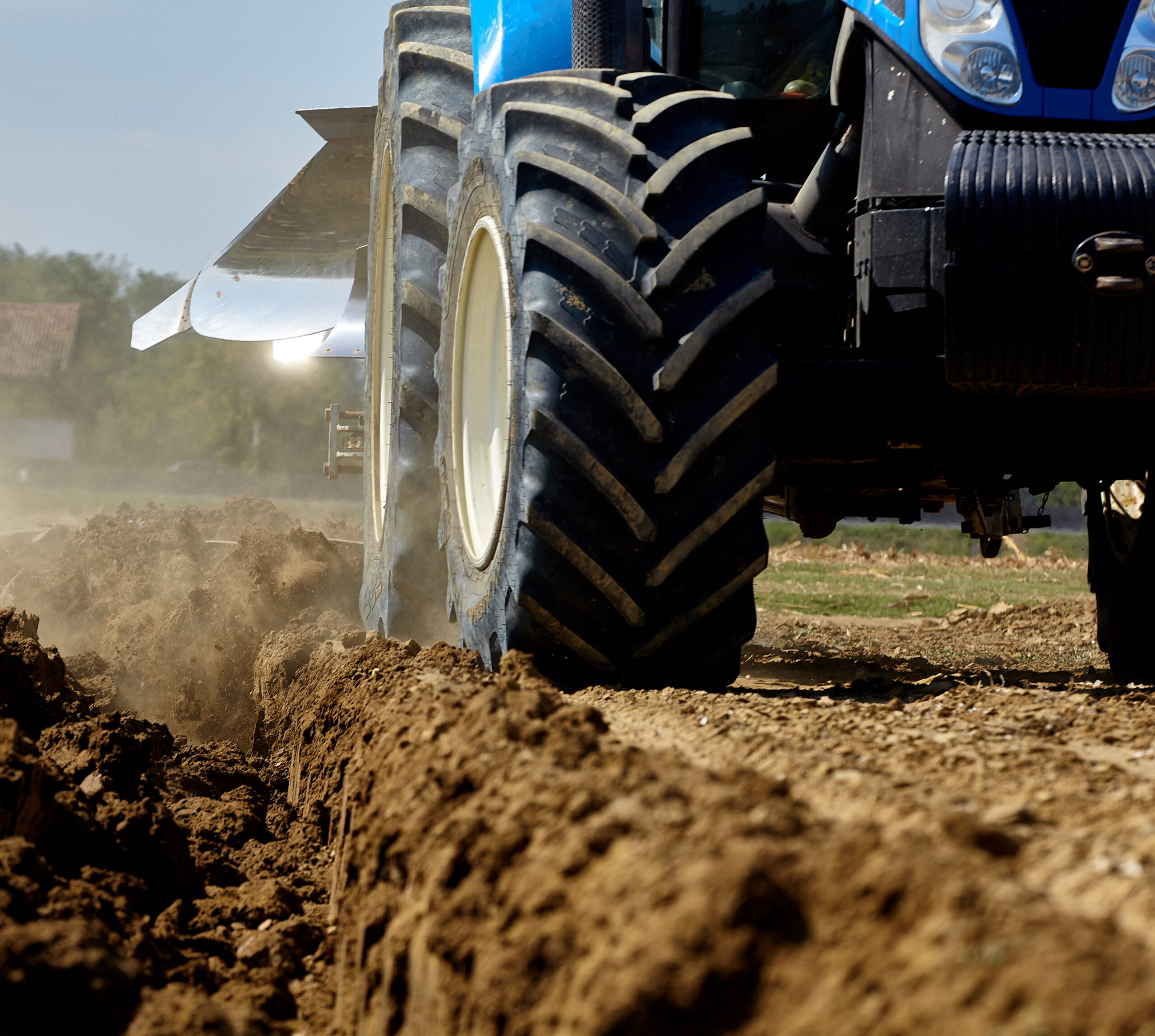
If you have the means, buying a new tractor is always the best choice. It allows you to benefit from the latest technology available on the market. The advantages are clear: increased productivity, greater safety, reduced environmental impact, and improved satisfaction and efficiency. In 2024, the typical buyer is a large contractor. Until 2022, the main challenge was the lack of ready-to-deliver machines, but in the last two years, access to credit has become an additional issue.
Tractor leasing: Why not?
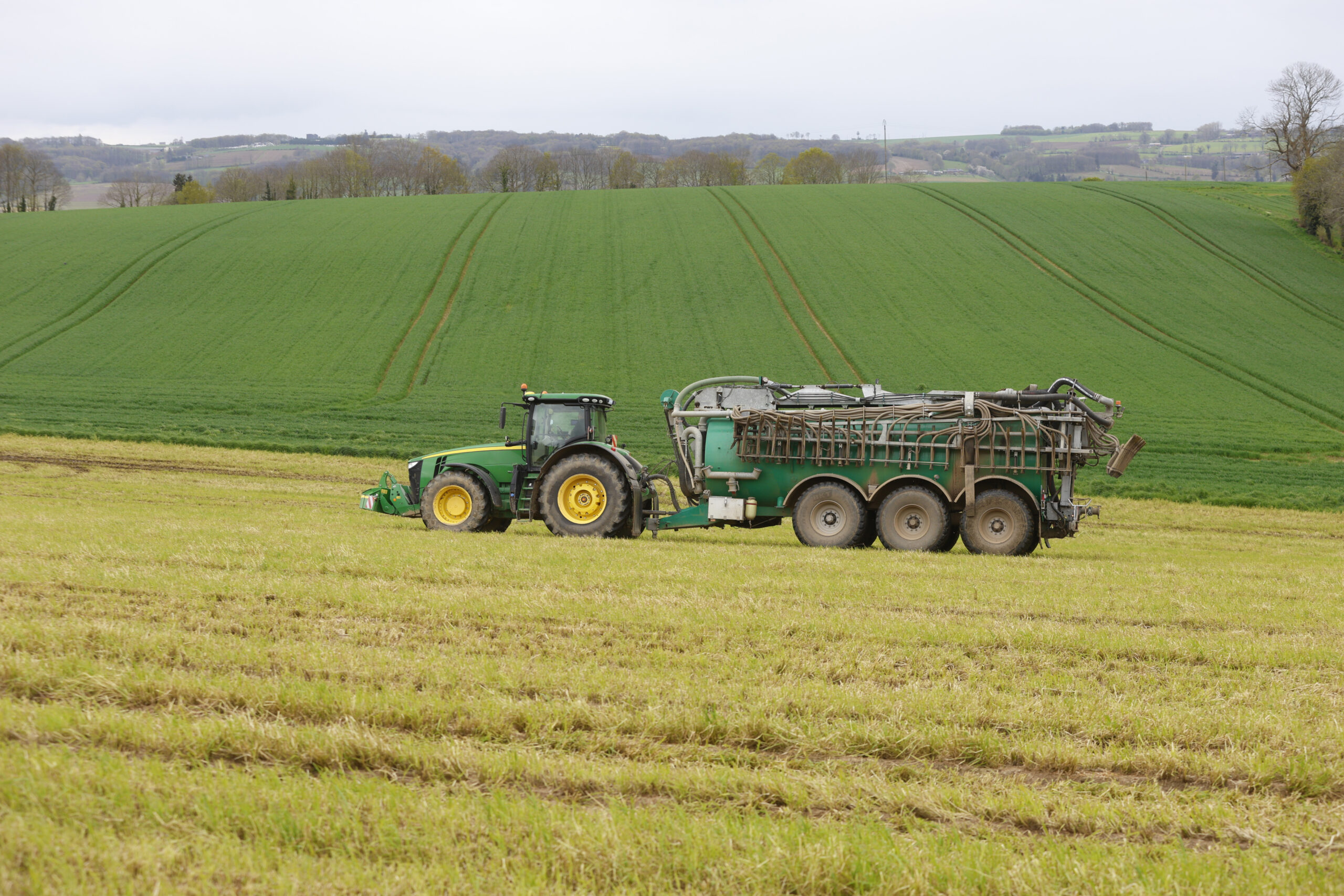
The culture of owning machinery, the ongoing debate between dealers and manufacturers, and relatively high rental costs have kept agricultural equipment leasing in the background. However, there is a growing number of dealers offering leasing services, as well as farmers and contractors who prefer this option to avoid large upfront investments. Leasing offers the flexibility to use the right machine at the right time without a significant capital outlay.
The benefits of leasing are clear for everyone
The primary advantage is predictable costs. Leasing is essentially an all-inclusive formula, eliminating unexpected maintenance, repair, or insurance costs. You only pay for the actual use of the machine. Additionally, leasing allows you to always use the latest technology, making it easier to handle seasonal peaks in workload and take on short-term contracts.
The challenges of leasing
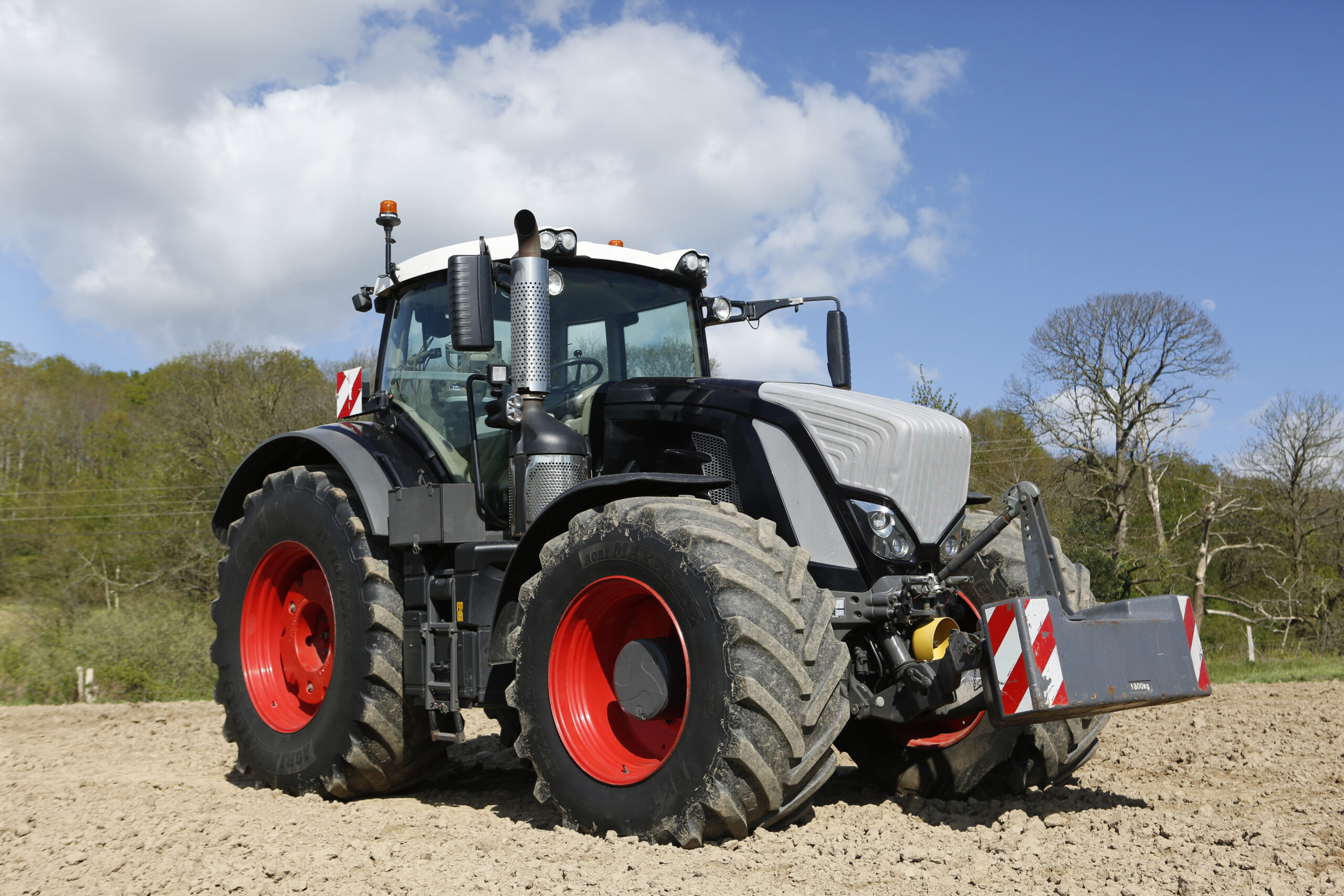
Cost remains a concern. Leasing is still considered a niche market in agriculture, with limited offerings and high rates. Another challenge is the availability of suitable machinery. The ideal rental fleet should include a variety of machines, with a focus on mid-range models. However, this is not always the case. Regardless of your decision, BKT tires are designed to meet the needs of all types of agricultural equipment. Visit our website to find the perfect solution for you!