
Electrification in Agricultural Machinery: Is It the Only Path Forward?
With rapid advances in technology, agriculture is finding new ways to become more sustainable, and the electrification of tractors and machinery is at the forefront of these changes. But is going electric truly the only route to a more efficient, eco-friendly future in farming? In fact, several alternative energy sources also deserve a closer look. In today’s article, we’ll explore real-world examples to understand where electrification shines and when other options—like biofuels or hydrogen—might be better suited.
Electrification. It’s the buzzword shaping the future of agricultural machinery, so much so that not going electric may seem like going off course. But is it truly the only option? Do today’s technology and market trends suggest that traditional engines are on their way out? And what options are available for businesses wanting to work with zero—or near-zero—emissions equipment?
Challenges in Open-Field Operations
Electrification in agriculture brings up several challenges. Today, compact machinery can operate effectively on electric power, but full electrification isn’t yet a realistic option for larger field machines. Even with hypothetical advancements in battery range and charging speed, switching entirely to electric power is difficult for large-scale machinery. This leaves many farmers and contractors wondering whether it’s worth investing in “green” electric technology given the significant costs.
Electric Power Works, But Not for Everything
To better understand the role of electrification in agriculture, we need to look at the specific types of machinery, the work they do, and the environments where they operate. For years now, manufacturers have successfully introduced compact electric machines, like telehandlers, and electric-powered tools (both towed and carried), which the market has warmly received. This success can be attributed to three factors: these technologies are well-proven, new models are being introduced gradually, and manufacturers guide customers toward informed, cost-saving decisions.

Electrification Beyond the Hype
Switching to electric power in agricultural machinery and the industrial sector is primarily important for reducing emissions. However, this goal cannot be achieved solely by adopting electric engines. In fact, better results could be attained with a diversified technological approach that also includes the evolution and improvement of existing technologies. Many agricultural machinery manufacturers are already using varied technologies that may seem less advanced but are well-tested and accessible for companies.
Telehandlers Leading the Way
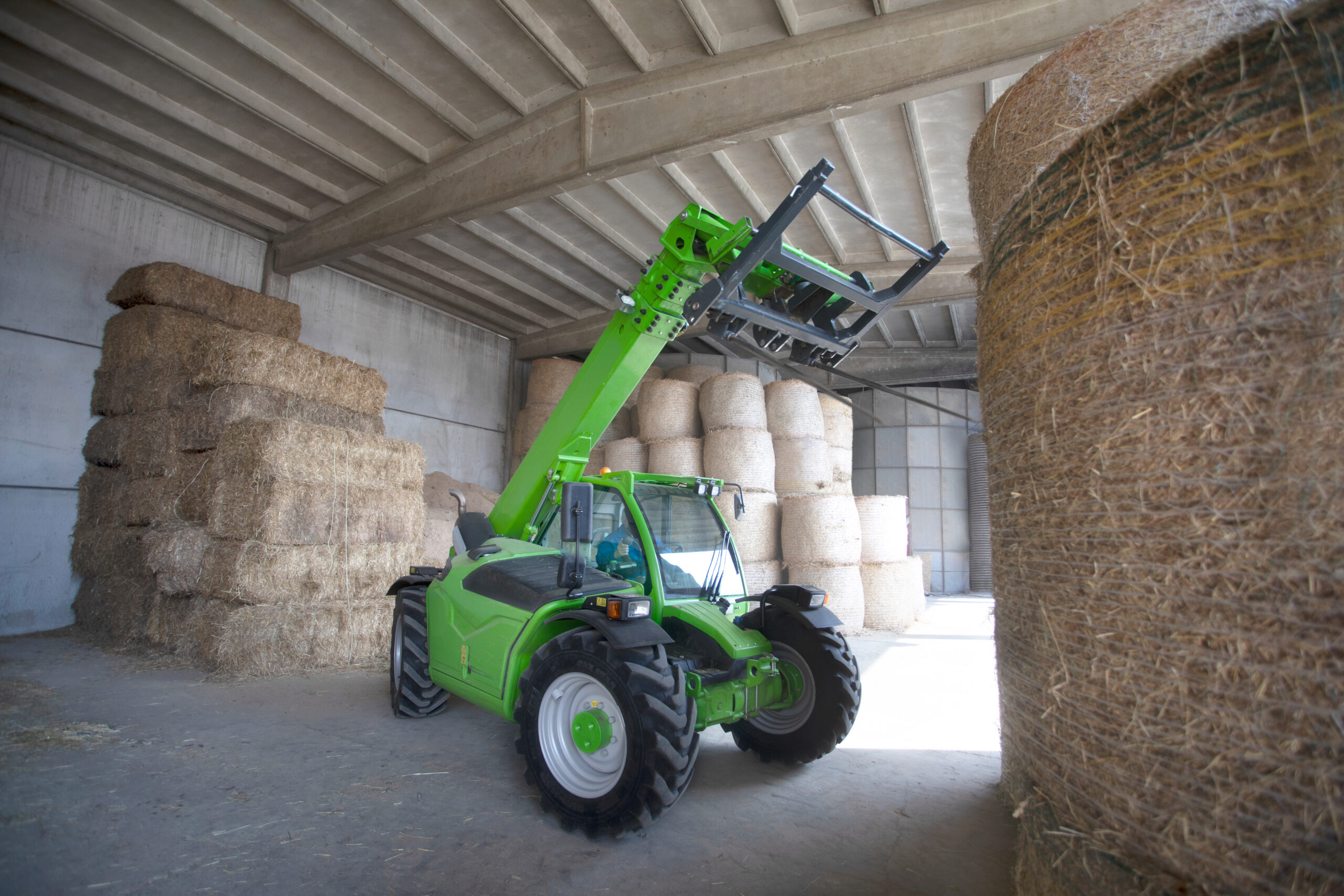
The agro-industrial sector was among the first to adopt this approach, starting with telehandlers—machines particularly well-suited for electrification. Many manufacturers have introduced compact, purpose-built electric models, rather than merely adapting combustion-engine versions. In some applications, the shift to electric power allows for the use of simple lead-acid batteries, which are highly recyclable and have minimal environmental impact. In other cases, a quick-release battery system enables replacements in under five minutes, ensuring long operational cycles without recharging delays. This design approach takes inspiration from the forklift industry.
On-Farm Charging Logistics
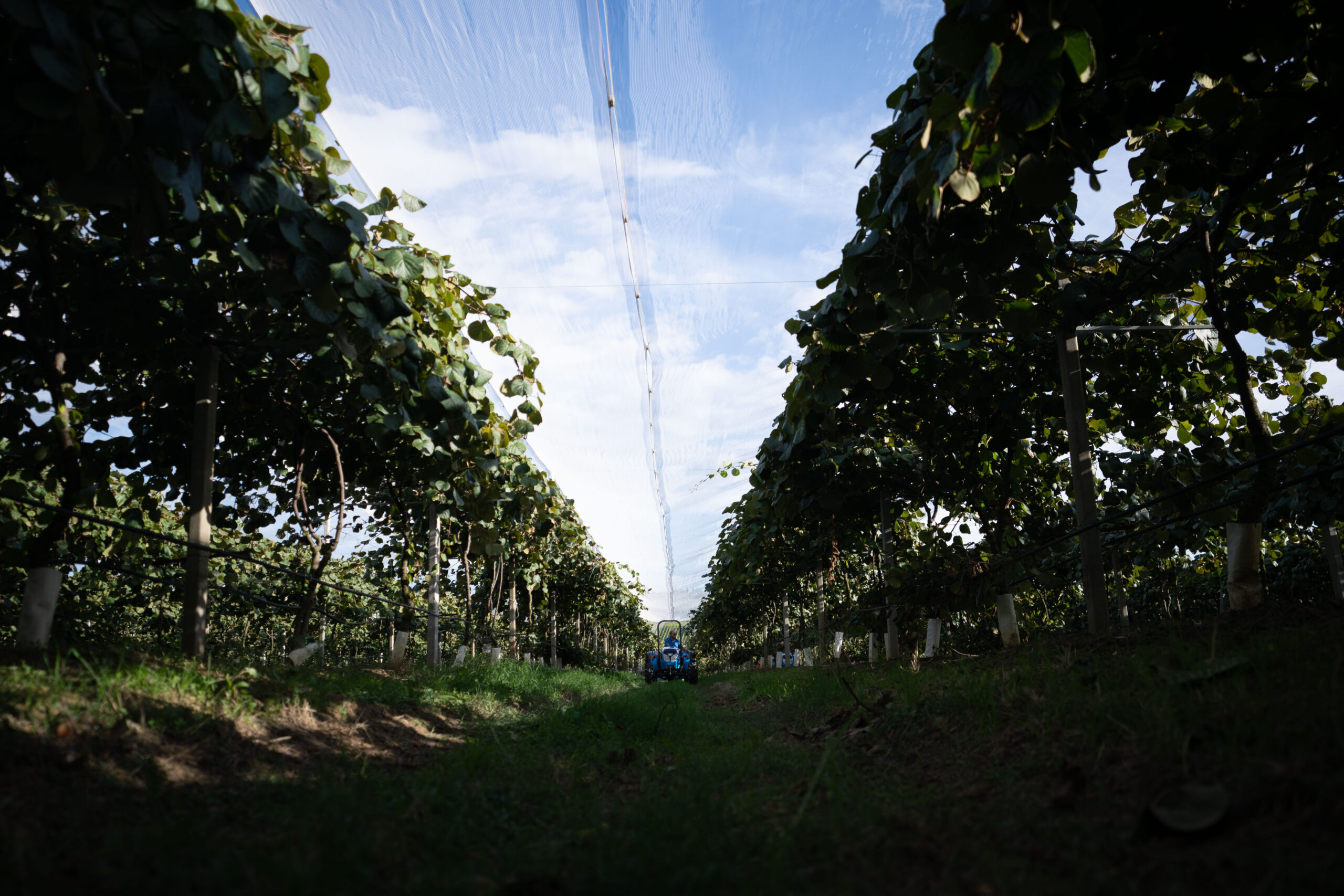
For compact tractors—especially those used in vineyards, orchards, and for urban or roadside green maintenance—charging is manageable even on ordinary job sites. But for larger machinery, current technology can’t yet support the same ease of charging. Consider a setup with a 250-kWh battery, peak power at 150 kW, and continuous output around 100 kW. Maintaining a 4-5-hour runtime, depending on usage, would be difficult without an on-site high-capacity charger capable of recharging in a few hours. Such setups also require robust electrical connections to support this level of demand.
Compact Tractors: Electric Solutions That Make Sense
To better understand the current state of electrification, we can divide the market into two main categories. The first includes compact agricultural machines, where electrification makes sense, while the second consists of large agricultural machinery that is difficult to adapt—except in very specific cases—to the needs of most businesses.
Electrification certainly has a future in the agricultural machinery market. Manufacturers, particularly those focused on machines for specific tasks like lifting and handling, are already working on alternative solutions, some of which are already in use. New operational scenarios are also emerging.
Electrification seems to be the key trend for the future of agricultural machinery, to the point that those who don’t adopt electric solutions risk falling behind. But is it really the only way forward? Do today’s technologies and market conditions support the idea that traditional engines will soon be entirely phased out? And what alternatives are available for businesses aiming to work with zero or near-zero emission machines?
And What About Hydrogen?
Right now, hydrogen engines aren’t particularly feasible. While some Diesel engines can be modified to run on hydrogen, producing hydrogen is energy-intensive and not yet efficient. Additionally, hydrogen refueling poses handling challenges, and its current production inefficiencies make it less viable as an alternative fuel—even for fuel cells, which, when fueled by hydrogen, could operate at over 95% efficiency.
A Path Forward
One practical first step could be to replace older machinery with newer models approved for HVO fuel, which can reduce emissions by up to 90% compared to Stage V diesel engines.
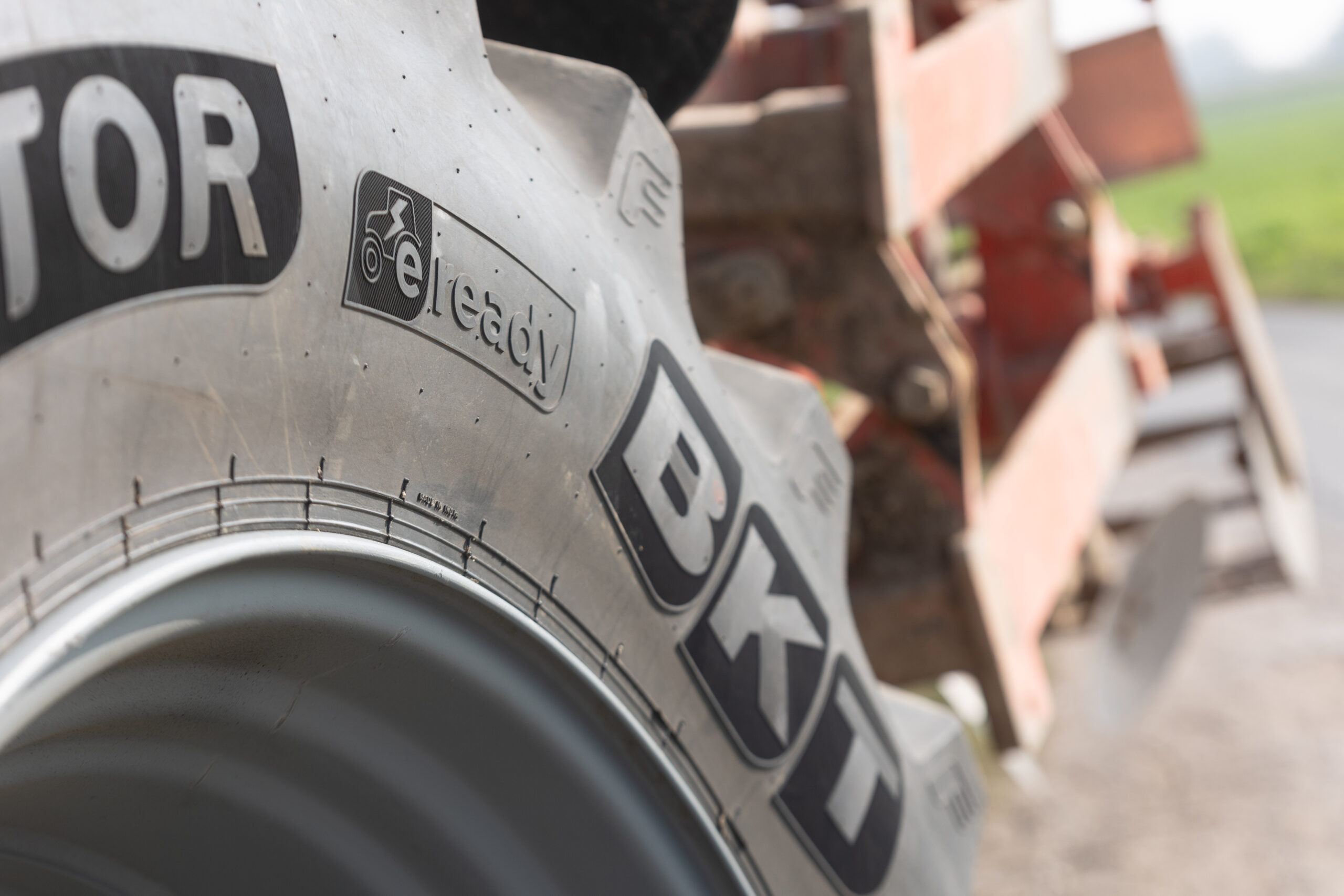
Stay tuned to our blog for the latest on BKT tires designed specifically for electric-powered machinery, like AGRIMAXFACTOR, featuring the exclusive “E-READY” logo to highlight our commitment to sustainable mobility. Follow along as we continue moving toward a greener, more innovative agriculture!