
Sorghum: A Smart Choice for Savvy Cultivators in 2024
In this article, we turn our attention to sorghum, a herbaceous plant belonging to the grass family. For those who made the wise decision to cultivate sorghum this year, it promises to be a savior, offering a lifeline amidst the challenging conditions brought on by the unusually wet and cool spring season we’ve just experienced.
Farmers who planted sorghum this year made a wise decision. Heavy rains and cool temperatures this spring created difficulties for corn growers. But those who chose sorghum are reaping the benefits. Early and very early sorghum hybrids, readily available on the seed market, deliver high-quality yields even with delayed planting.
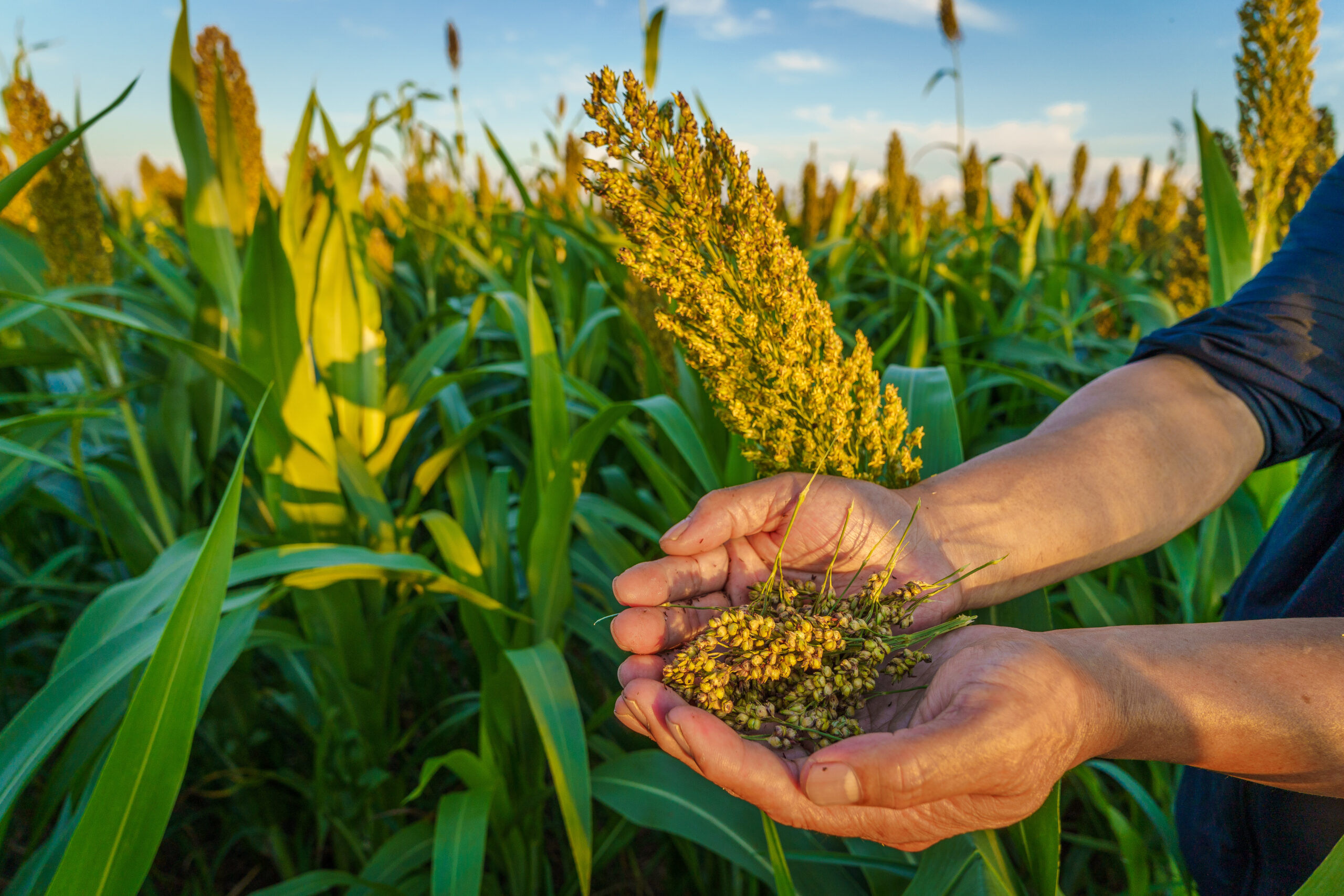
Sorghum: A Stoic Plant
Given the forecast for a scorching summer, sorghum might be the winning choice. Let’s see why: sorghum cultivation costs significantly less than corn. It thrives during dry spells, producing excellent yields with exceptional grain resistance to pathogens. During water stress, sorghum cleverly enters a vegetative rest period. Additionally, it doesn’t contain aflatoxins, a group of highly carcinogenic substances found in contaminated food. Unlike corn, sorghum isn’t susceptible to rootworm, requiring fewer technical interventions.
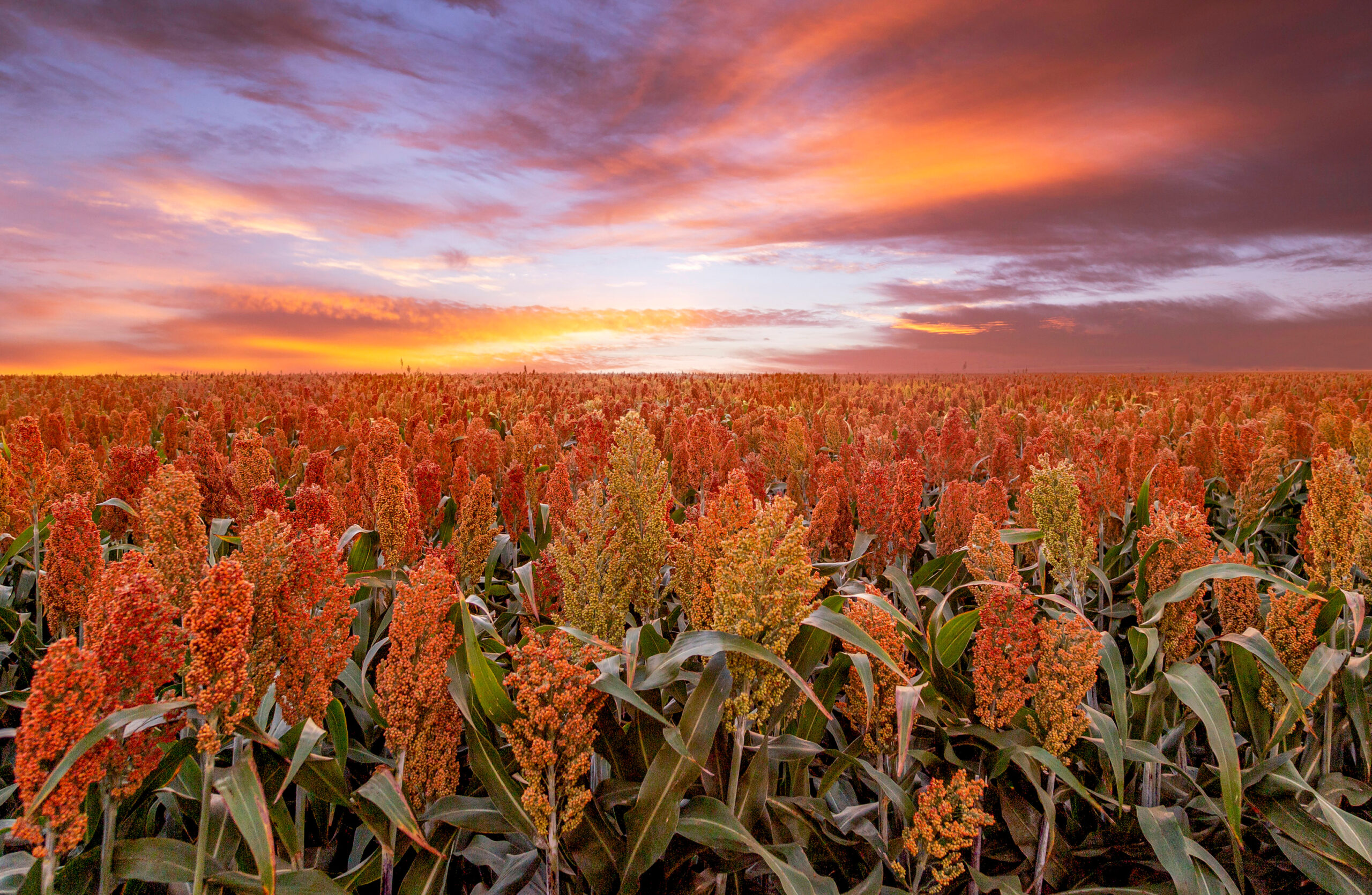
Planting Until the End of May
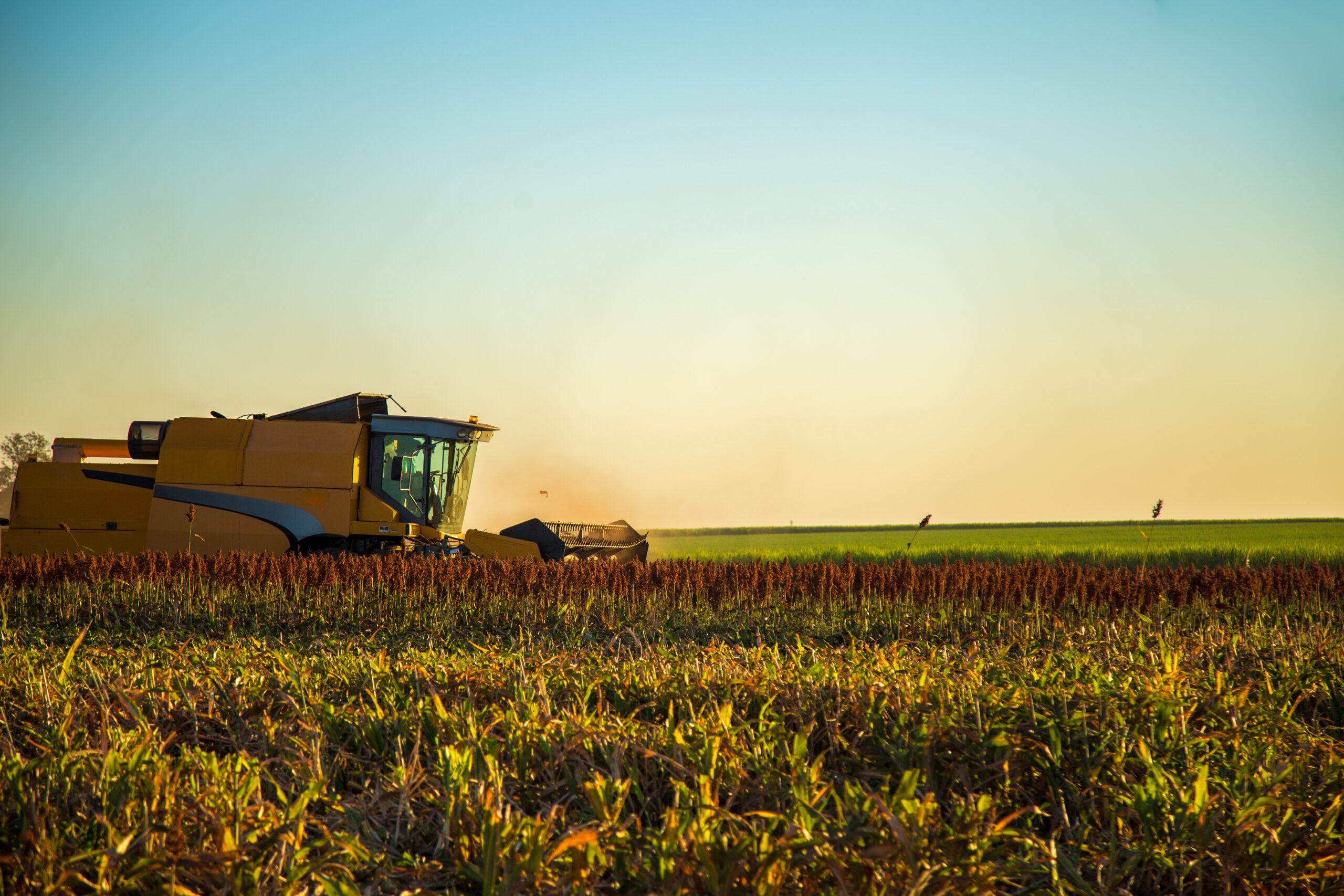
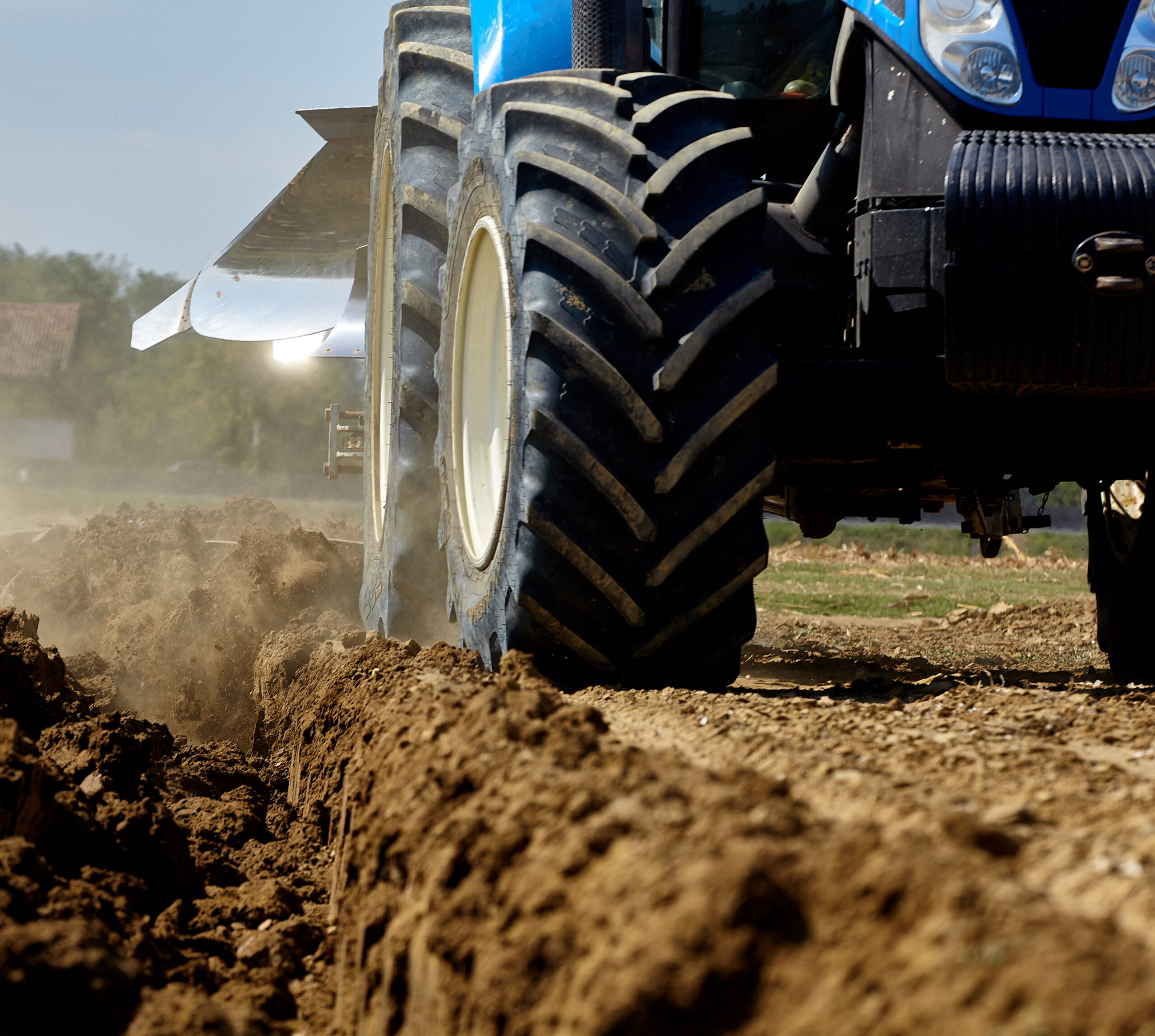
Sorghum for grain can be sown throughout May. Choose modern early and very early hybrids. These varieties have a 47–49-day cycle from emergence to flowering and achieve 6.5-7 tons per hectare yields. By simply postponing planting, you can simplify soil preparation with minimal tillage or even sod seeding where possible.
Seed Yield and Fertilization
Consider investing in 40-45 seeds per square meter with a row spacing of 40 centimeters for late planting. Apply nitrogen fertilization at planting or urea during weeding. Excellent results can be obtained with grain sorghum hybrids for a second silage harvest, directly sown in July after corn. Finally, traditional forage sorghums for silage can be planted until mid-June. Sorghum’s advantages extend beyond yield. Its erect growth habit and high sugar content promise exceptional crop yield performance and resistance to unfavorable weather, lodging, and pathogens. Due to its short stature (only half the height of corn) and reduced susceptibility to lodging and storm damage, sorghum fosters flexible crop rotation. It’s a truly sustainable crop, adaptable to various climates and soil conditions. It tolerates water stress and high temperatures, delivering excellent yields with minimal energy inputs.
An Alternative for Silage
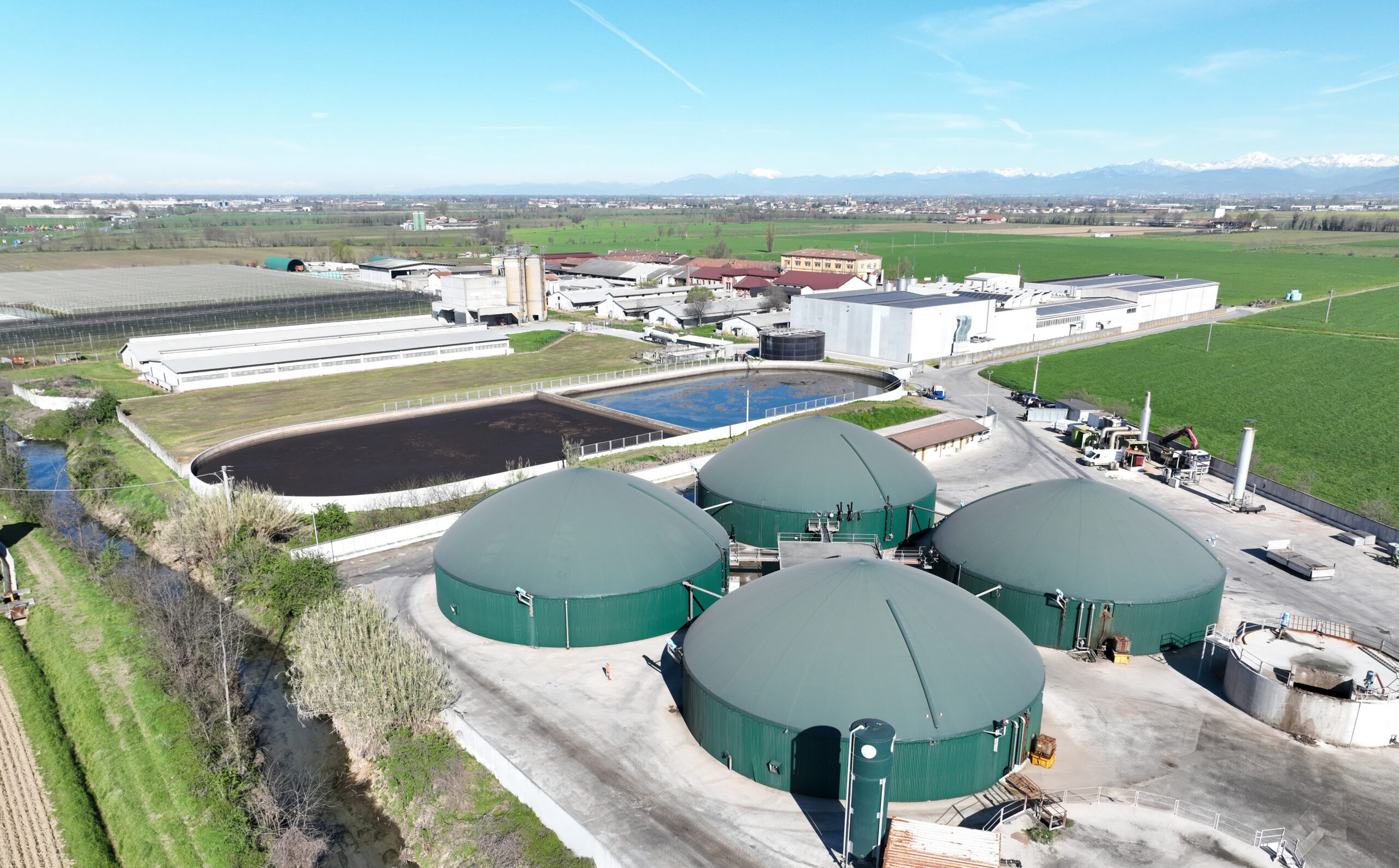
Sorghum’s characteristics make it a compelling alternative to wheat and corn for silage, particularly in a climate increasingly impacted by change. It offers significant agronomic advantages, including high energy content for producing high-quality dairy and beef cattle silage. Furthermore, its energy content and fiber degradability make it ideal for biofuel production and biogas through chopped silage, with significant economic benefits.
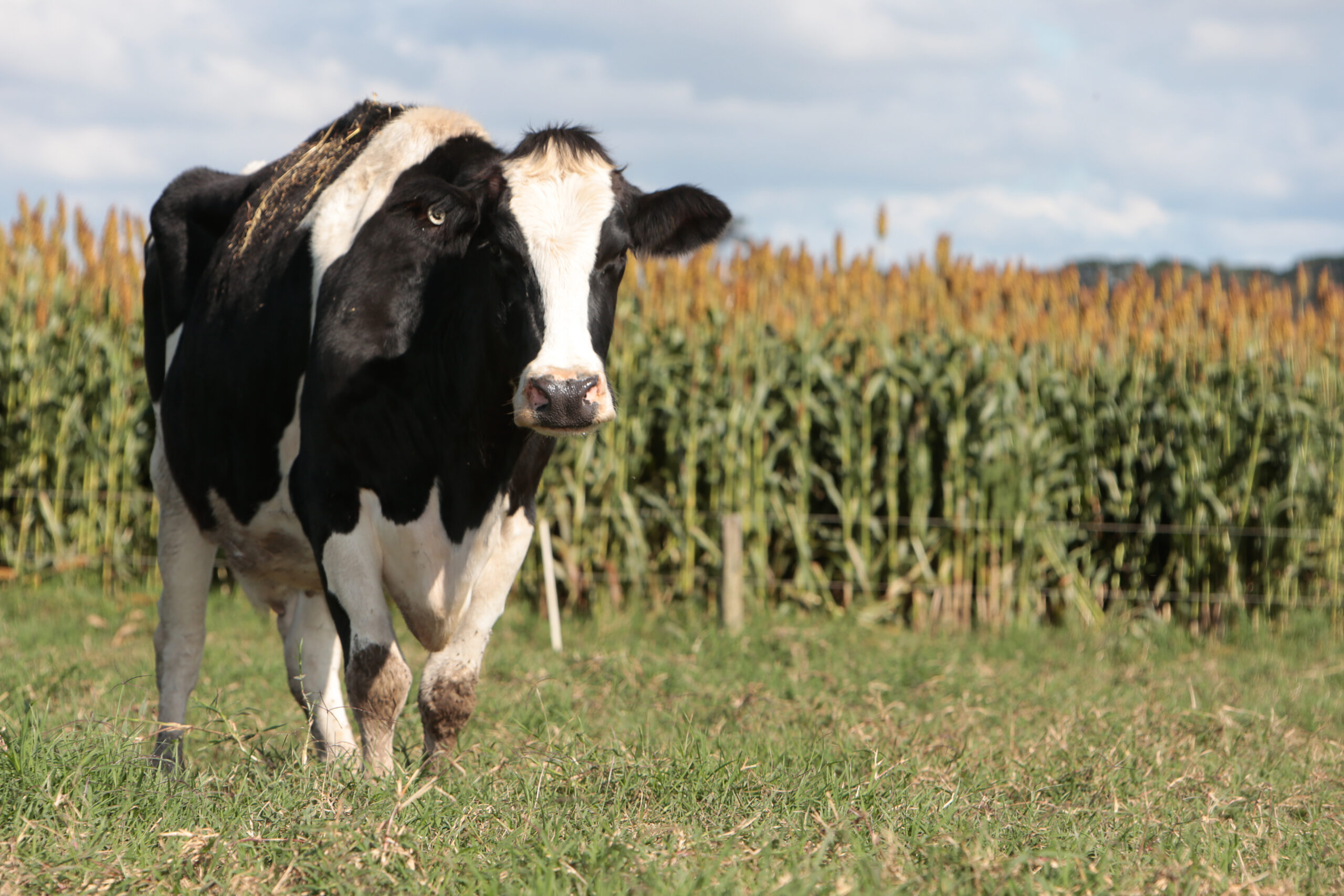
Sorghum for Livestock Feed
This versatile forage also forms a significant part of the feed ration for dairy cows, though it’s essential to consider the distinct starch characteristics. Sorghum, a highly adaptable plant, offers farmers significant advantages, especially in challenging years like this one.
Keep following our blog for industry updates, tips, and advice to help your fields thrive!