
Is Renting Earthmoving Equipment Still Worth It?
If you’re wondering whether renting earthmoving machinery will remain cost-effective, keep reading. In today’s article, we’ll explore how the evolution of rental companies might influence the sector. Find out how the earthmoving industry is evolving with the help of new services provided by rental companies. Renting tools and machinery for excavation work is still a common option. Its affordability in the future, though, will depend on how rental companies develop over time. To better serve consumers, they need to transform into providers of unique services. Join us in exploring how this transformation can impact the rental sector.
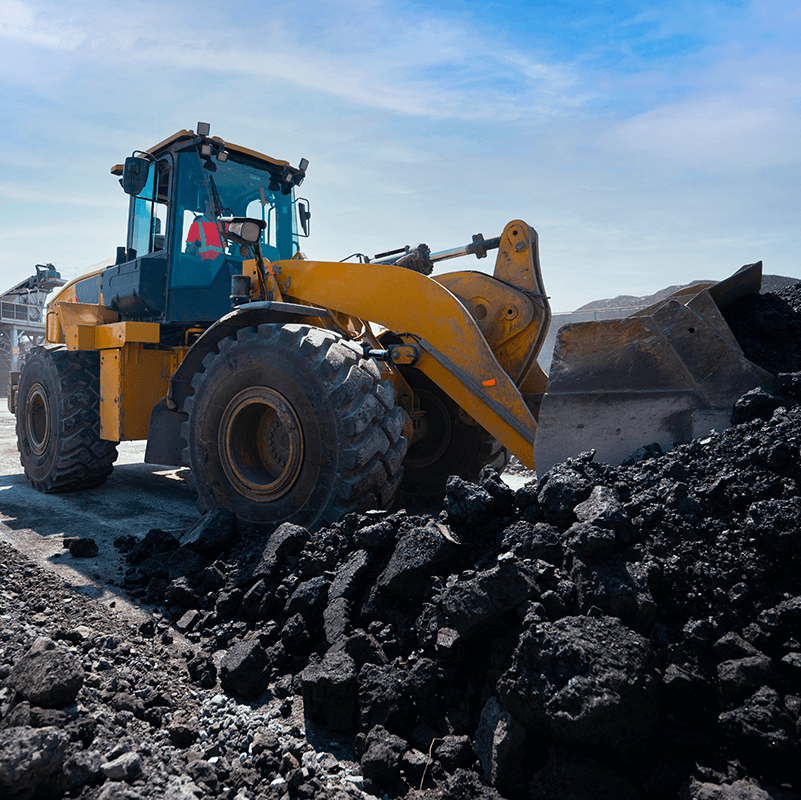
Is renting in the earthmoving machinery and construction sector still a cost-effective choice in 2024 and for the years to come?
To answer this question, it’s essential to delve deeply into the dynamics of an entire industry, especially the characteristics of construction companies.
One thing is certain: in 2024, the rental business in the earthmoving machinery sector can no longer ignore crucial challenges such as sustainability, innovation, and the development of human skills, as well as the need to remain competitive in the market. The role of modern rental in the construction industry in Italy has the potential to grow, but only if the sector sees it as a strategic choice rather than just a support for workload peaks.
It is important to note that the rental sector in Italy is still very fragmented, and the basic regulations do not fully recognize the figure of the rental company. Rental companies are undergoing major transformation: from simple providers of machinery for occasional needs to full-service construction providers. A number of responsibilities come with this shift, including the requirement for digitization, the training of new professionals, maintaining workplace safety, and adjusting to the ecological shift.
The Principles of Renting in Construction
The rental of earthmoving machinery is straightforward. A construction vehicle is obtained in exchange for a monthly fee that includes financing and services. Adding new equipment to one’s fleet is only cost-effective if the investment can be recouped over the long term. However, for small and medium-sized enterprises, purchasing such machinery represents a substantial initial and ongoing cost, considering maintenance and management expenses.
Furthermore, it is crucial to use the appropriate vehicle for each specific activity, which would necessitate a large, efficient, and up-to-date fleet. Rental, therefore, offers a significant advantage: it avoids the most substantial expenses and allows for the use of the most suitable equipment for a limited period, thereby optimizing operations.
Watchword: Flexibility
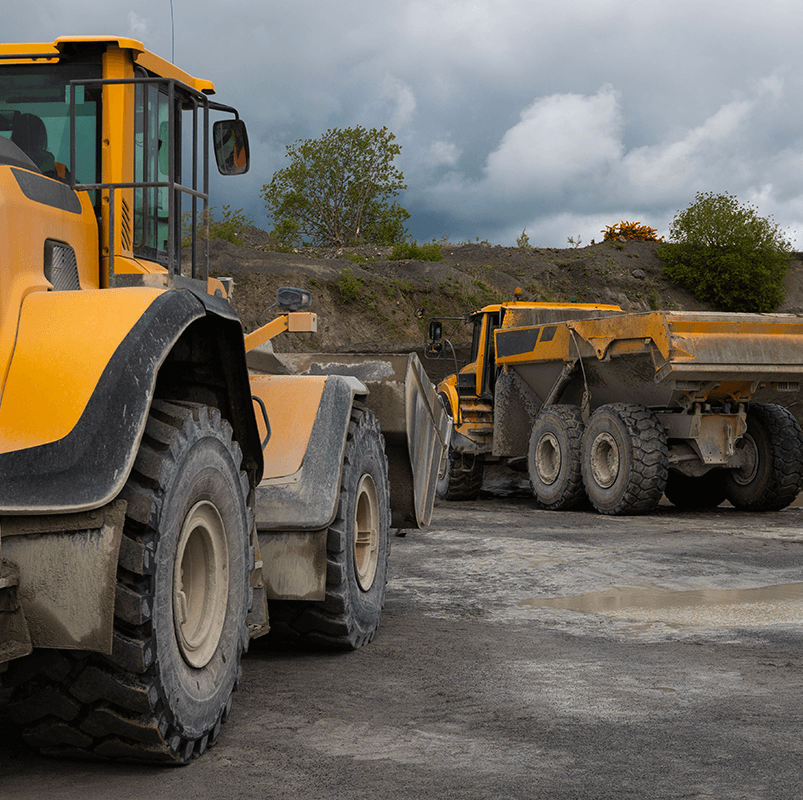
The first advantage, reduced capital investment, leads to another key benefit: flexibility. By renting earthmoving machinery, companies can secure the exact equipment they need for specific projects, using it only for the designated timeframe. This eliminates the burden of ownership, including routine maintenance. Renting typically includes full-service maintenance and support, so any problems are handled by the rental company, ensuring minimal downtime for your projects.
Digitalization in Earthmoving Machinery Rental
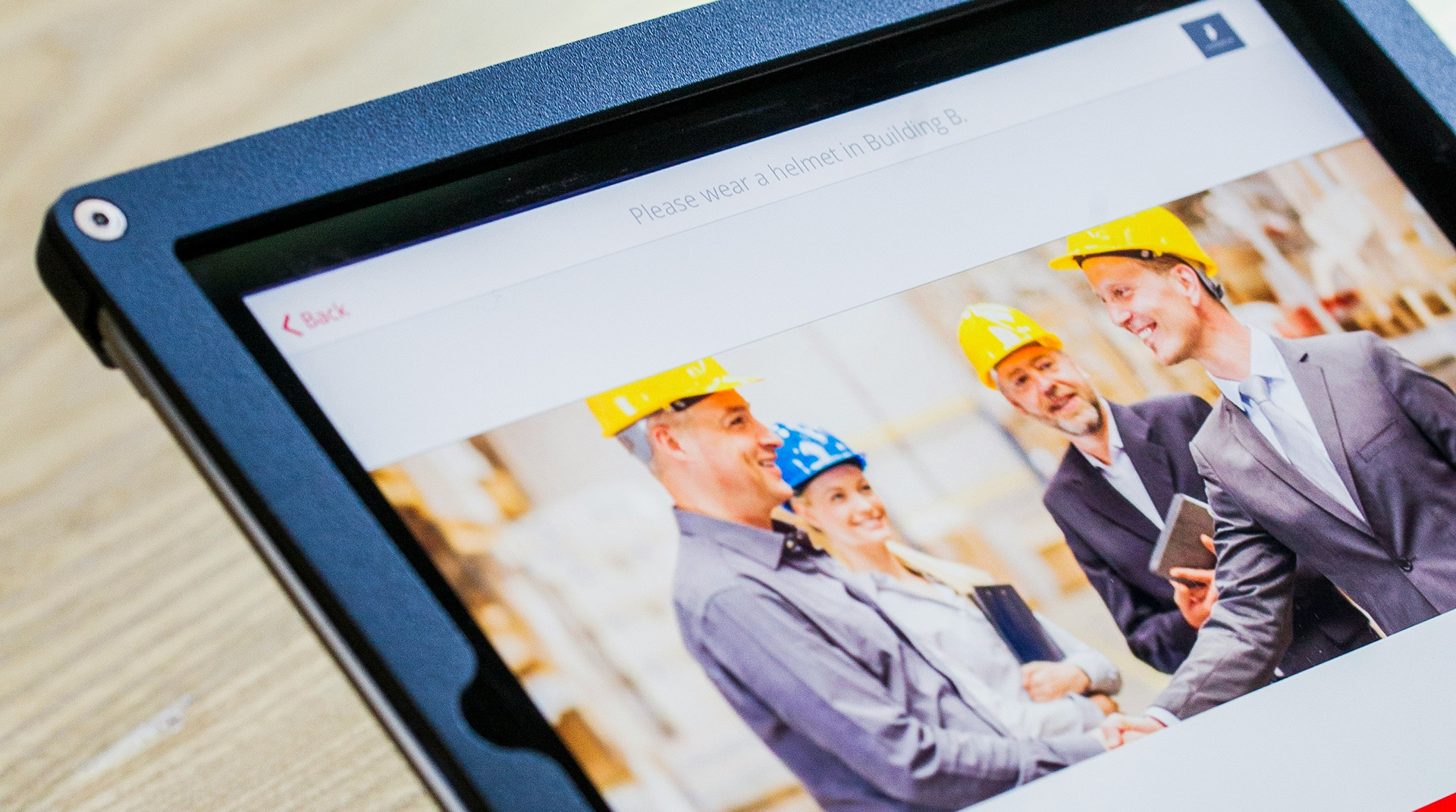
When it comes to renting earthmoving machinery, the impact of digitalization can’t be overstated. From maintenance scheduling to fleet management and even access to credit and insurance, digital technology can streamline the entire customer experience. The benefits extend beyond automation, too. Increased efficiency translates to faster service turnaround times and improved profit margins for rental companies. However, not all players in the sector have fully embraced digitalization. The industry’s average age can influence this, potentially making some less receptive to innovation.
Trained Renters and Operators
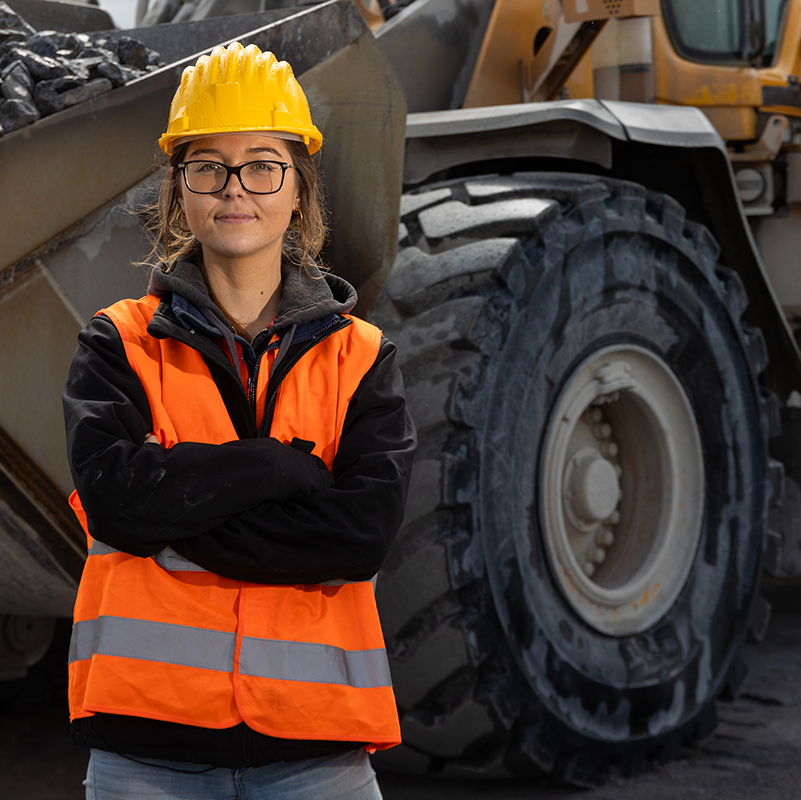
Evolving the rental sector hinges on creating true value for both operators and technicians. This requires acquiring new skill sets, but the current labour market faces a shortage of trained personnel. In Europe, many young people shy away from vocational training, mistakenly believing it’s only for those less academically inclined. However, the future of construction belongs to operators with targeted training – skilled problem-solvers equipped for predictive maintenance and digital management. This expertise is equally crucial for construction machinery rental companies, as it directly impacts their ability to offer high-quality services and avoid becoming solely price-driven competitors.
More Than Just an Accessory Service
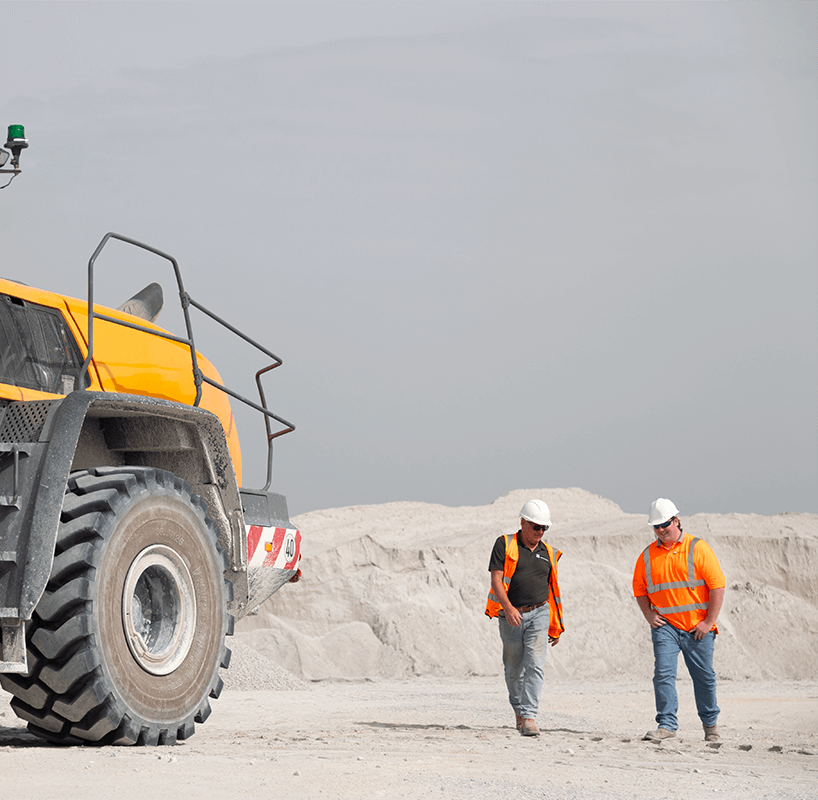
Modernizing rental services demands a shift from a “here and now” mindset to a future-oriented strategy. Investing in staff training goes beyond immediate problem-solving. A well-trained technician can become a trusted partner, collaborating with clients on long-term rental plans as an alternative to purchasing. This knowledge uncovers the true value of the service, justifying a premium market position. Meanwhile, renters need to think about new factors. Value creation must include suppliers, customers, and employees in addition to oneself. Furthermore, concentrating on frequently disregarded areas like digitalization, safety, and sustainability improves the customer experience and promotes competitive and sustainable growth for the sector as a whole.
Long-Term Rental and the Construction Sector: Who Benefits?
Earthmoving machinery is a major expense for construction companies. When managed effectively, long-term rental can be a game-changer, improving their balance sheet and ensuring access to the latest vehicles.
This is especially beneficial as fleet managers navigate the complexities of evolving tax regulations and new alternative fuel vehicles. Long-term rental offers solutions to these challenges, particularly for smaller construction companies. While large players have long embraced the benefits of long-term rental, smaller and medium-sized enterprises are now starting to see its advantages.
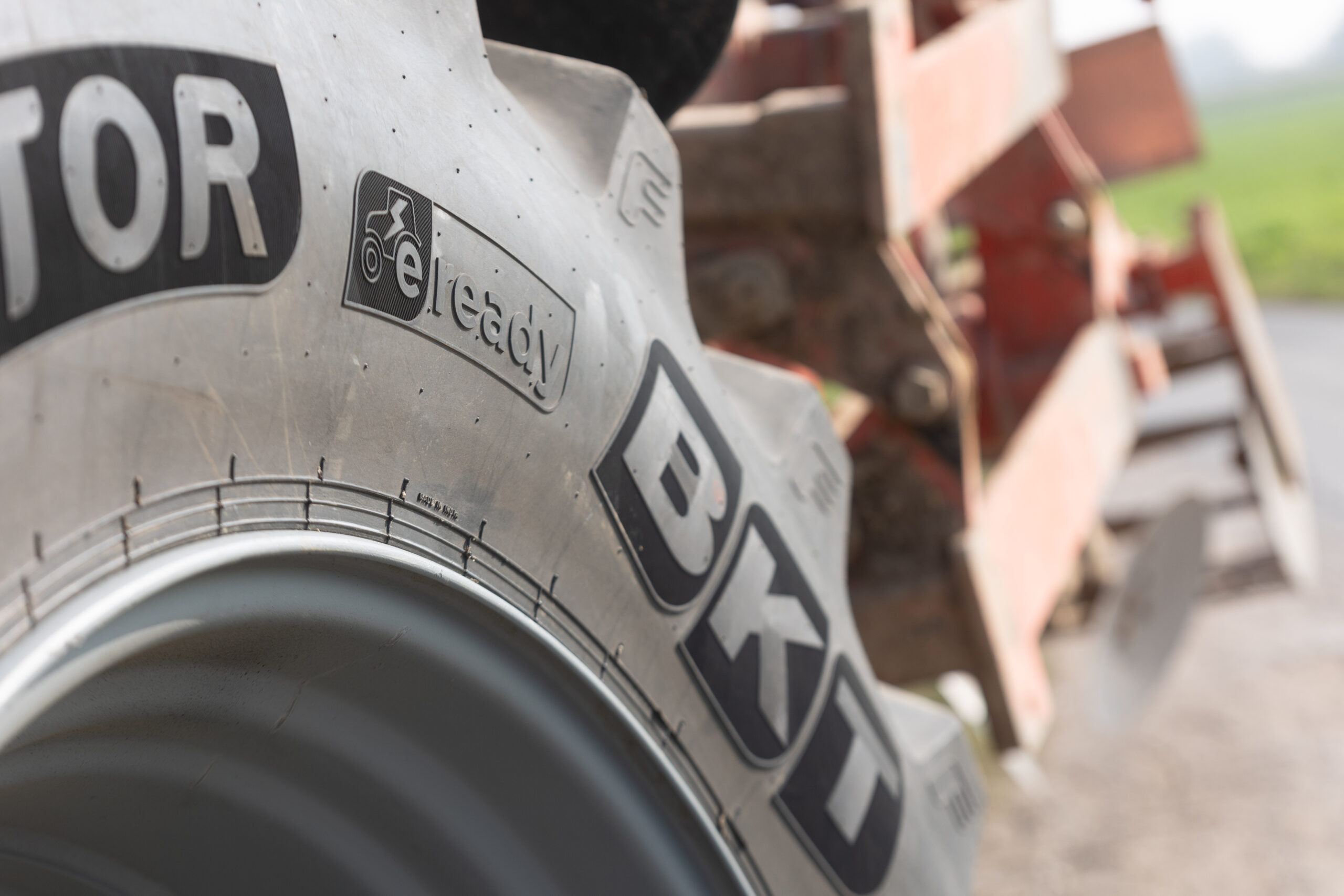
Companies can focus on their core business by choosing long-term rentals while ensuring access to the right equipment. BKT offers a wide range of high-performing tires designed to meet specific needs and use cases. For large construction sites, where machinery such as wheeled loaders, wheeled excavators, and articulated dumpers are more widely used, some of BKT’s highest-performing products include EARTHMAX SR 30, EARTHMAX SR 31, and the new EM 933 SUPER. Meanwhile, for small-to-medium-sized construction sites, where compact loaders and material handling support machines like telehandlers prevail, BKT recommends CON STAR, MULTIMAX MP 527, and MULTIMAX MP 522. For skid steers, the offering focuses on SKID POWER HD, JUMBO TRAX HD, and SKID MAX SR-SKIDDER.
In conclusion, long-term rental can prove to be a winning choice as it allows you to save the budget intended for acquiring a fleet of vehicles, provides constant availability of recent and well-maintained equipment, and determines a fixed expenditure item in the budget in the form of vehicle rental costs. These are incorporated into operating expenses, with consequent advantages for the company’s balance sheet.
Furthermore, the rental company becomes the single point of contact for managing all vehicles, with centralized and predefined billing and service levels at the time of contract signing. Don’t miss the next developments in the world of rental and construction! Keep following us to stay up to date on the latest industry trends and innovations.