
Corn Silage: How to Make It Perfect
In today’s article, we’ll explore the tips and techniques for producing high-quality silage. From timing your harvest to mastering compaction with a wheeled tractor, here’s everything you need to know to get it right.
Despite the challenges facing the corn sector, including volatile prices and unpredictable weather, the cultivation of corn for silage has remained steady—especially in Europe. This is largely due to strong demand for both livestock feed and bioenergy, particularly in regions with efficient logistics. Corn silage stands out because it offers lower production costs (no drying needed) and reduced health risks compared to other crops. These factors are driving their growing popularity among farmers.
A New Approach to Corn Yield
Corn for silage is all about maximizing the value of the entire plant. That means focusing not just on higher yields but also on selecting hybrids and farming practices that make the most of the crop. The best silage hybrids today are those that combine high productivity with a wide harvest window. These plants are tall, leafy, and vigorous, with excellent stay-green characteristics. They produce plenty of biomass, ideal for high-quality silage with superior digestibility and fermentation potential.
Still, the key to great silage lies in harvesting at the right time and using proper techniques. Let’s dive in.
When to Chop? How to Get Silage Just Right?
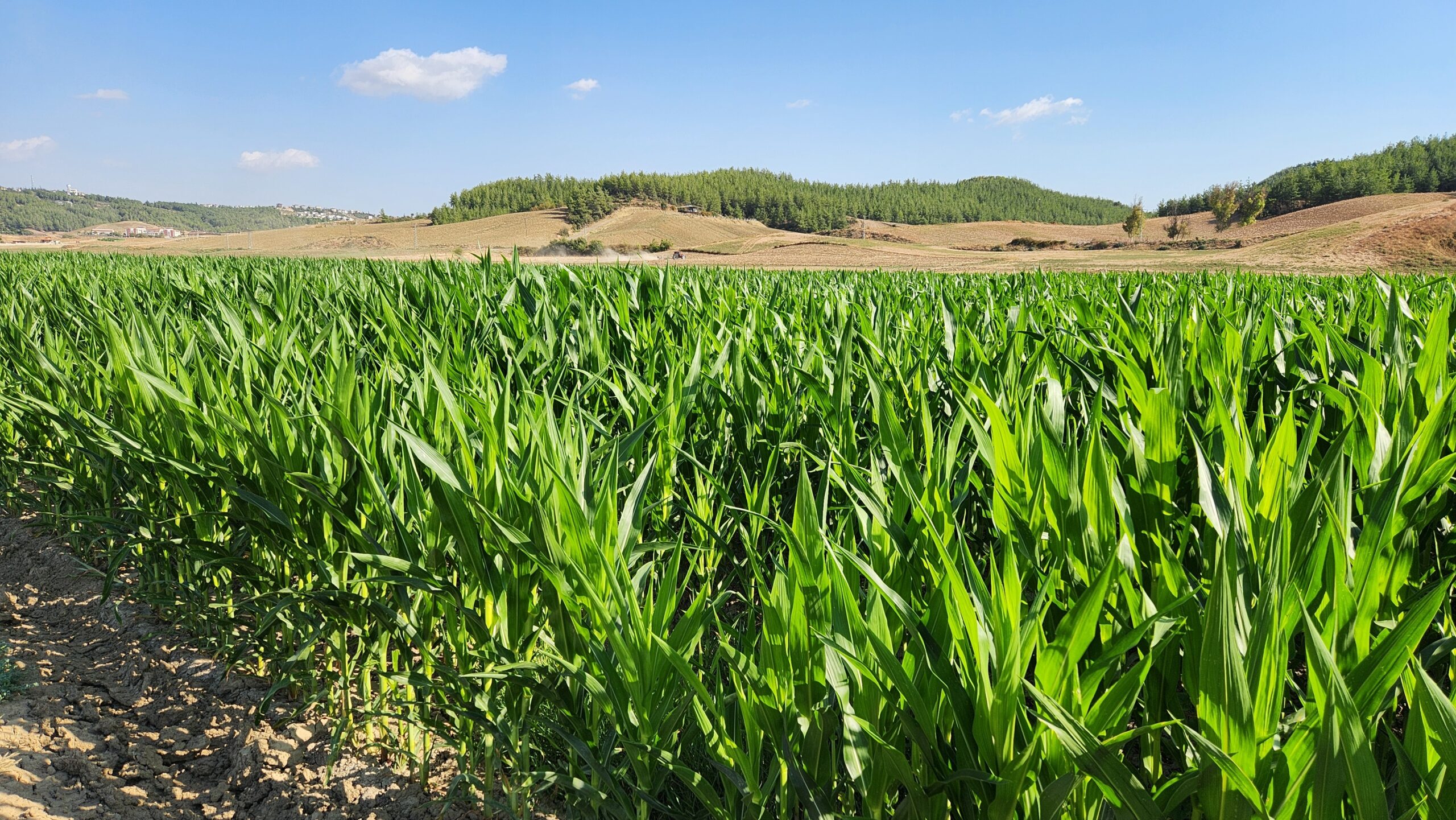
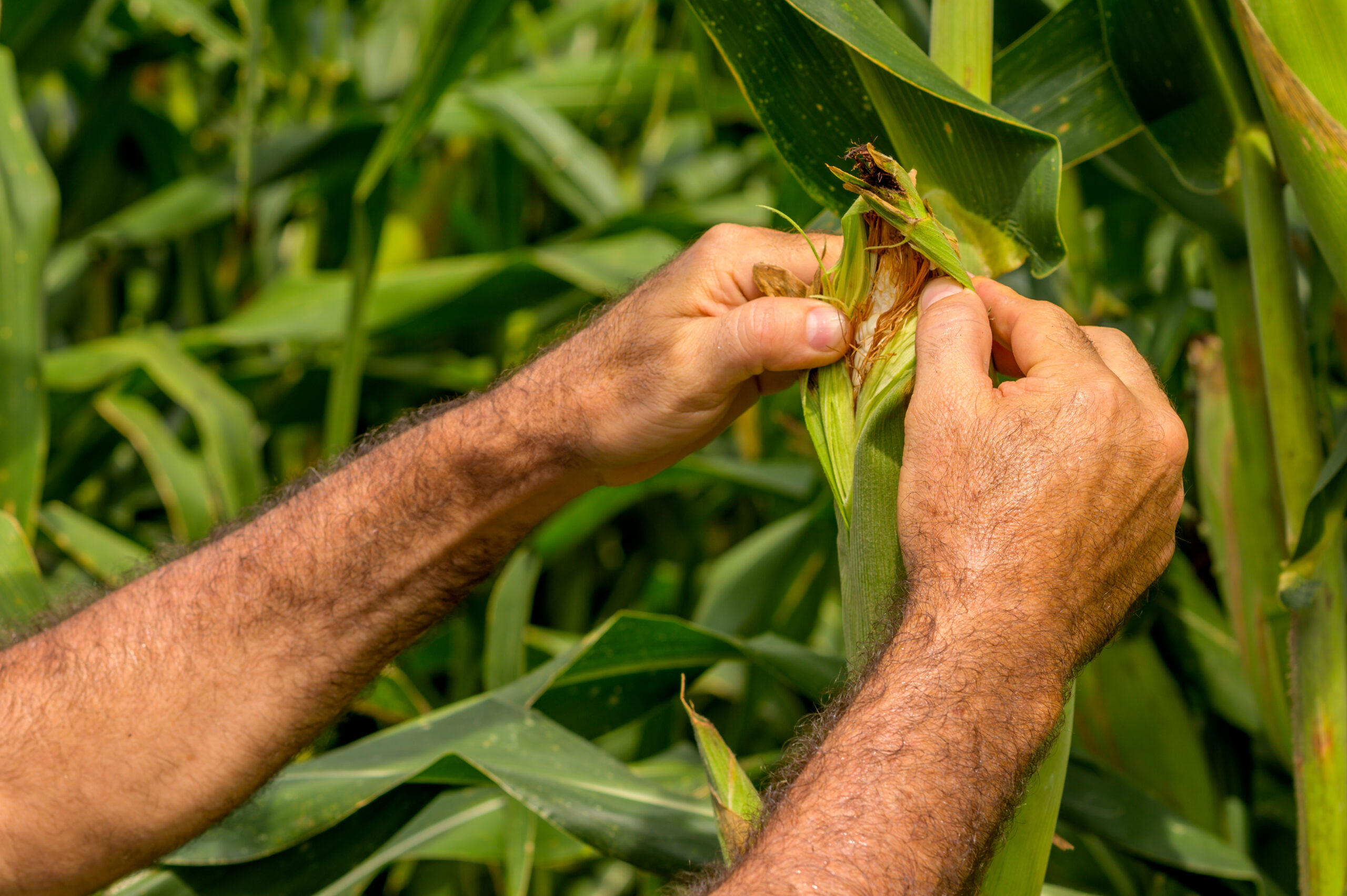
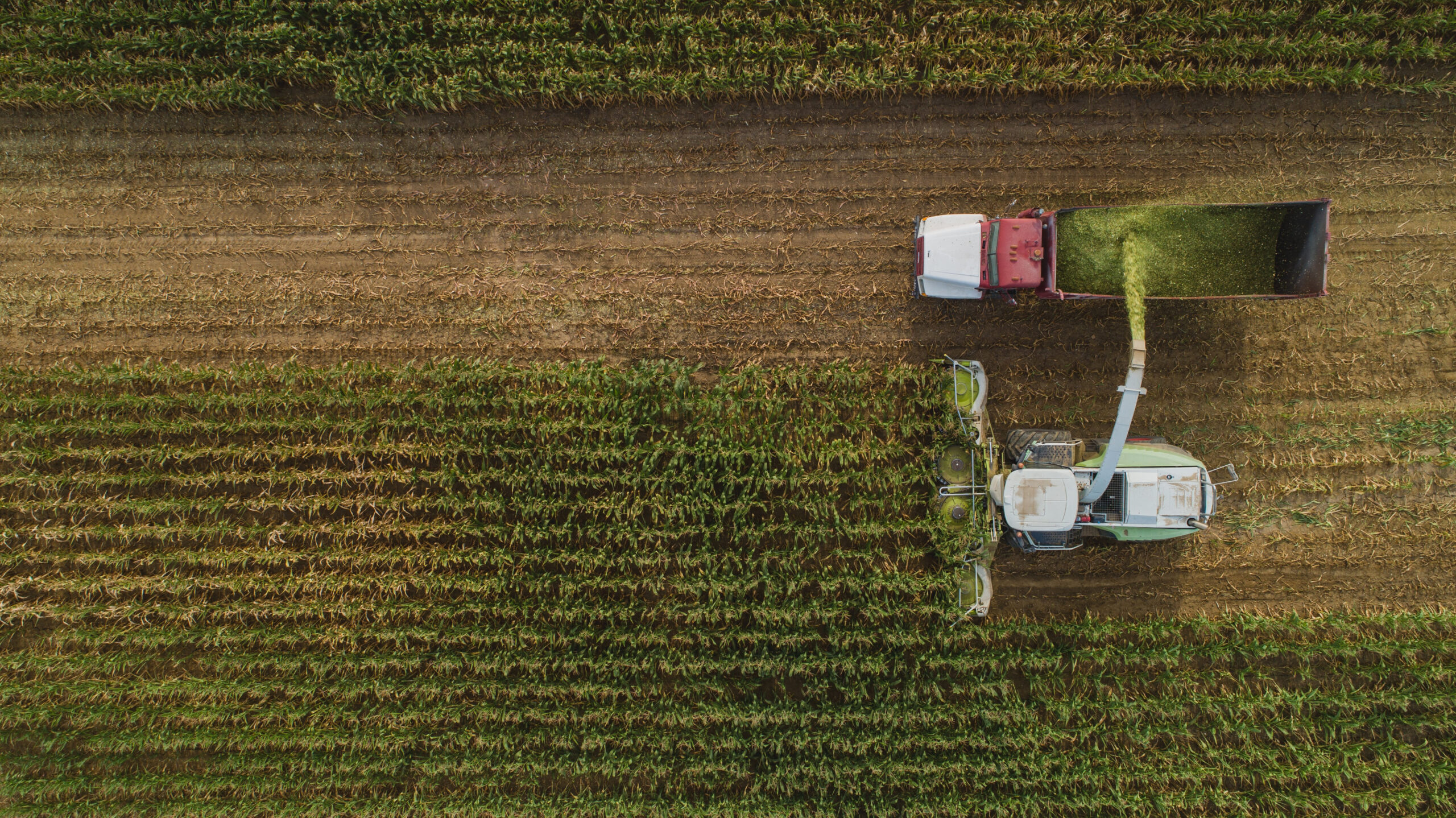
Achieving a high-quality product is simple once you follow a few key guidelines. The first step is determining the right time to harvest the corn for silage. The consensus is that this should happen when the kernels reach the waxy maturity stage, which is when the dry matter content is between 32% and 35%. At this point, the kernels have a waxy, floury texture, a shiny appearance, and distinct dents. The plant will typically have yellowing husks beneath the ears, with the leaves underneath being partly dry and partly still green.
Chop Length for Optimal Silage
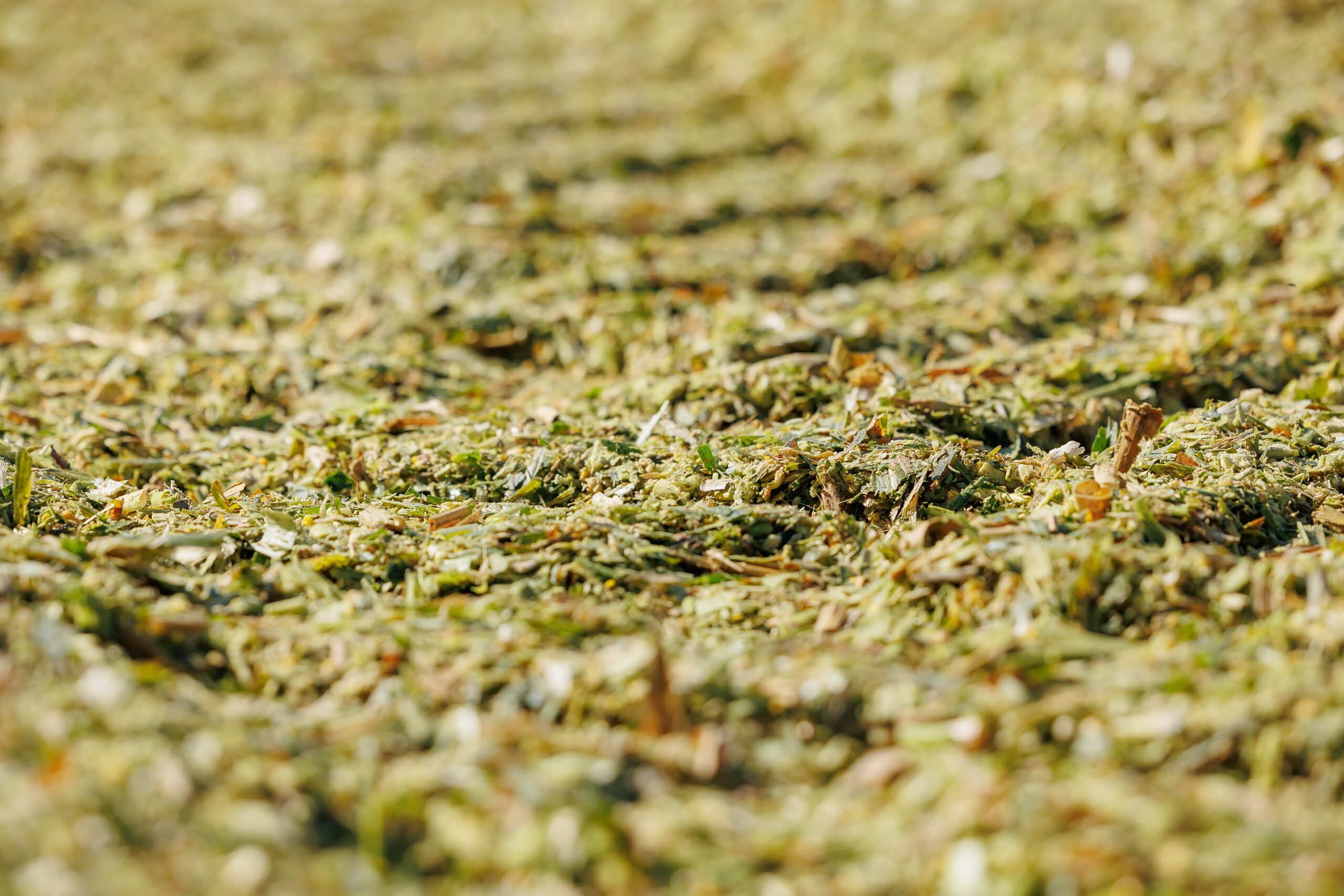
For high-quality silage, the ideal chop length should be over 19 mm, with a kernel breakage rate of at least 50%, ideally around 70%. Increasing the chop length, combined with using a kernel processor, improves animal performance compared to silage without it. The processor enhances silage quality by optimizing starch fermentation in the silo and reducing dry matter losses during storage.
Chop length should generally be very fine, around 0.95 cm. Cutting corn plants at about 45 cm above the ground ensures better nutritional quality by leaving behind the more fibrous, less digestible parts of the stalk. This also minimizes the risk of nitrate residues, which tend to accumulate near the base of the plant.
Excessive chopping can hinder the proper mechanical stimulation of the rumen. A kernel processor is key, as it increases the digestibility of dry matter and boosts the net energy in the diet.
Quick Silaging and Proper Compaction
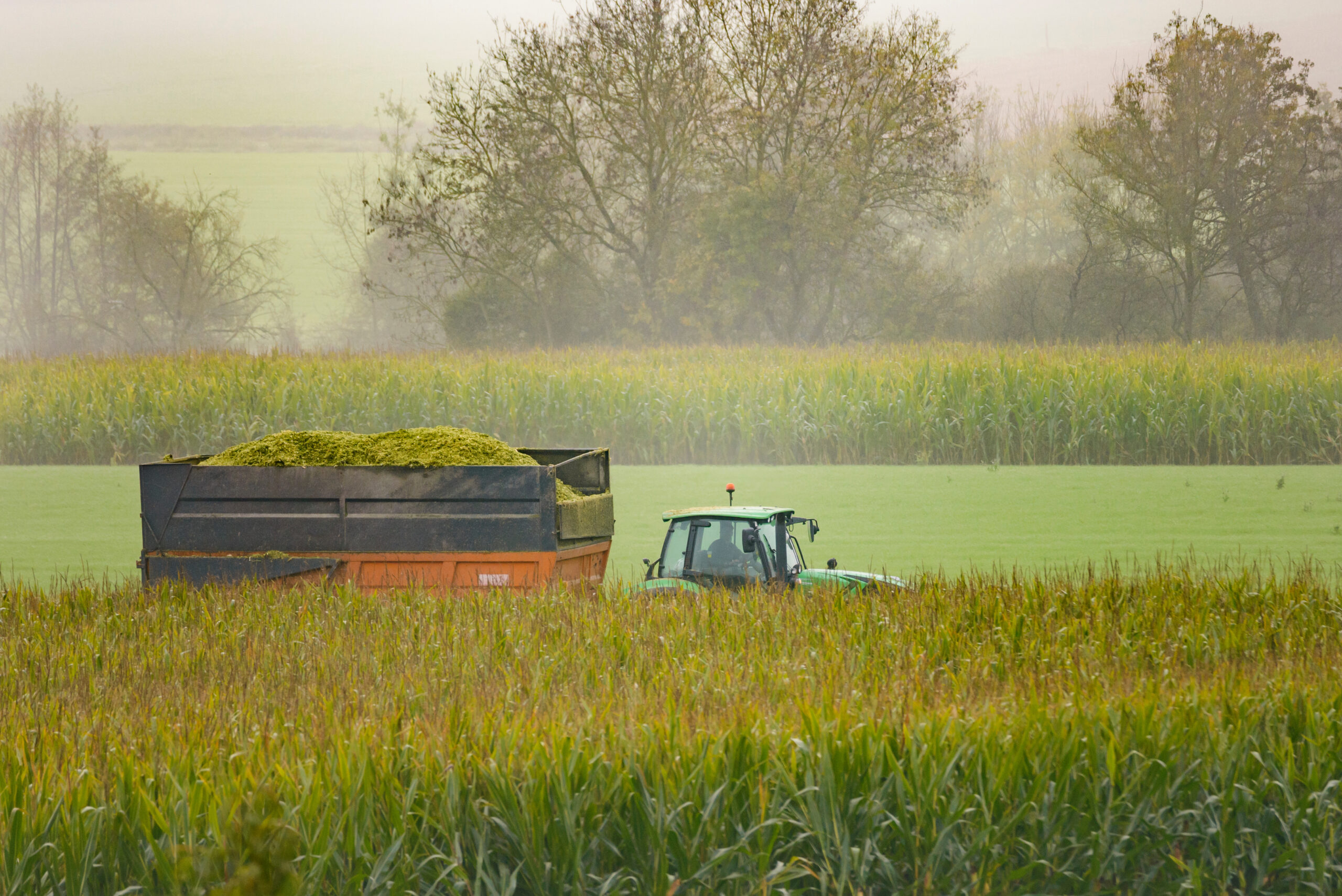
After harvesting, the corn is stored and compacted through the silage process. This needs to be done swiftly to prevent spoilage and loss of dry matter due to exposure to air. Silaging and fermentation take 2-3 weeks and begin right after harvest. As the silo fills, it’s important to compact it carefully to eliminate all oxygen, promoting anaerobic fermentation, which is key to achieving high-quality silage.
The Role of Wheeled Tractors in Compaction
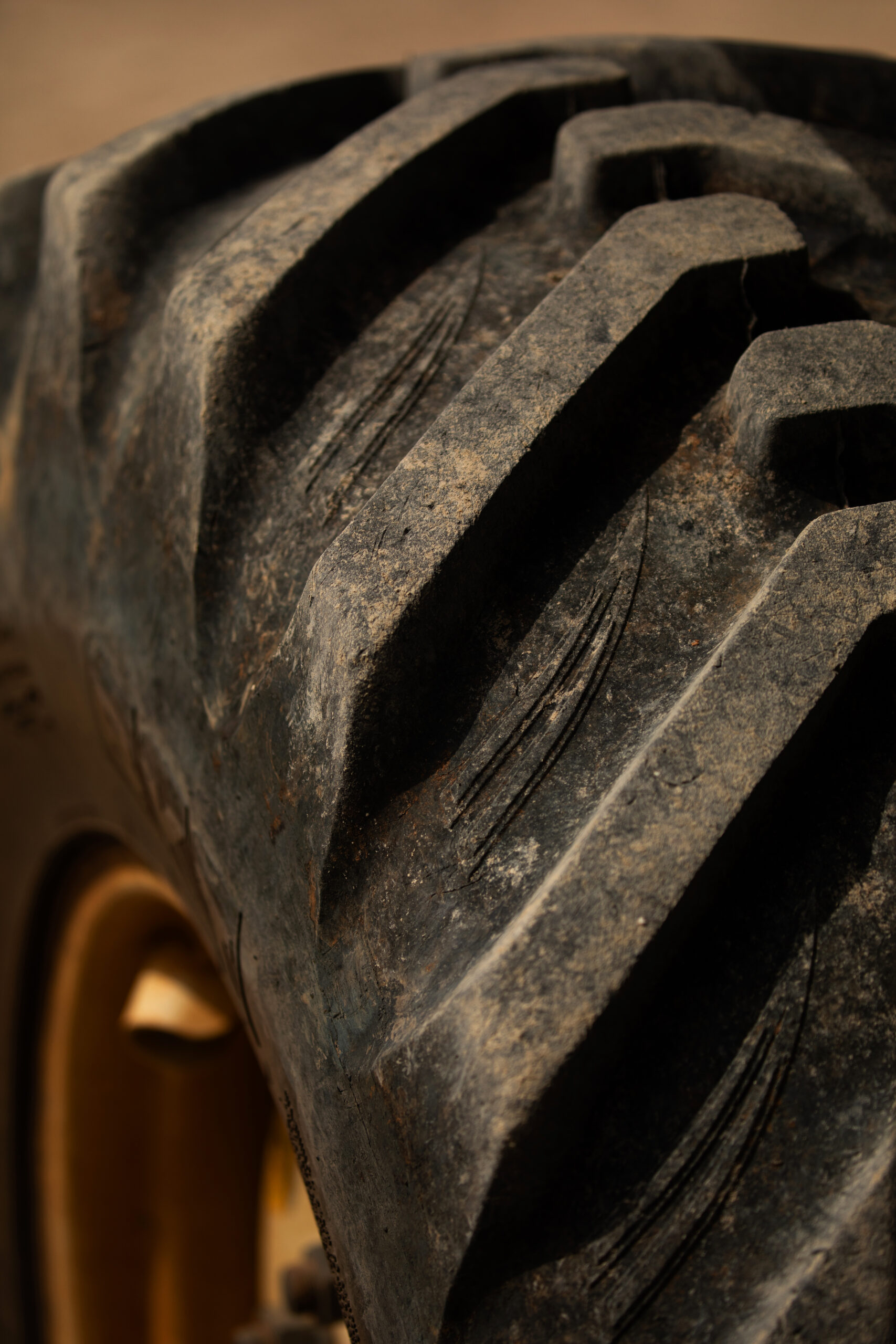
Agronomic theory suggests that optimal compaction of chopped corn requires 240 kilograms of dry matter per cubic meter (about 750 kilograms per cubic meter in total weight). Without this, oxygen can seep in, leading to excessive spoilage. To achieve the right density with a tractor, it’s crucial to work with layers no thicker than 20 centimeters. Repeatedly driving over the pile to compact it further is inefficient. With a 20-centimeter layer, one pass in each direction is enough; for a 50-centimeter layer, you’d need equipment weighing over 80 tons. Proper silage management involves limiting exposure to oxygen, which enhances fermentation, preserves nutritional value, and reduces forage losses.
Sealing the Silage Correctly
Once compacted, the silage must be sealed with a tarp or double-layer film. Ensure the cover is snug against the silage to prevent air pockets and avoid rainwater pooling. Secure the tarp with sandbags, tires, or other weights to keep it in place and protect it from damage.
Careful Unloading to Preserve Quality
Next, you can begin the process of unloading the silage. Once the trench is opened, the stored forage is exposed to oxygen, and microorganisms start the decomposition process. It’s crucial to minimize the exposure to oxygen before the silage is consumed to preserve its nutritional value. This can be achieved by removing the silage evenly from the entire face or surface. Inoculants containing fast-growing, selected bacteria can be used to help promote fermentation and improve the silage quality.
Caring for Silage Corn: Just as Important as for Grain Corn
Selecting the right hybrid and using the best practices for cultivation, harvesting, and storage is crucial for producing top-quality chopped corn. But for maximum yield, it’s equally important to use tires that are specifically designed for the job. BKT offers a wide range of tires that reduce soil compaction and protect your crops, helping you achieve optimal results. We hope these tips help you produce high-quality chopped corn. Keep following our blog for more insights, tips, and advice to optimize your farming practices!