
Construction Site Connectivity: A Journey Towards Intelligent Automation
The construction industry is embracing a new era of connectivity, paving the way for advanced automation of machinery and earthmoving equipment powered by the transformative force of AI. This article delves into the intricate workings of this technological revolution.
Construction site connectivity is experiencing a period of sustained growth. The entire sector, which encompasses construction machinery and equipment, has entered a phase of digital maturity and integrated connectivity. This brings it closer to parity with other industrial sectors, although there may be a slight lag. The leading brands are increasingly emphasising advanced digitalisation and technological innovation for machinery, equipment, and solutions. This is a logical development because electronics, software, and connection technologies have become essential construction machinery components. They are now as readily available and accessible as traditional components.
While connectivity and digitalization have initially focused on enhancing machine functionalities and management, the next generation of interconnected machine technologies aims for a higher degree of automation. Human involvement will primarily shift towards managing and configuring machinery designed to operate autonomously, without the need for an operator in the cabin. Two forces propel this transformation: advanced machine connectivity and AI design. The former lays the groundwork for hyper-connected, predictive, future-robotic construction sites. The latter injects a transformative power, pushing the industry towards widespread robotic integration.
Hyperconnected Construction Site Machinery
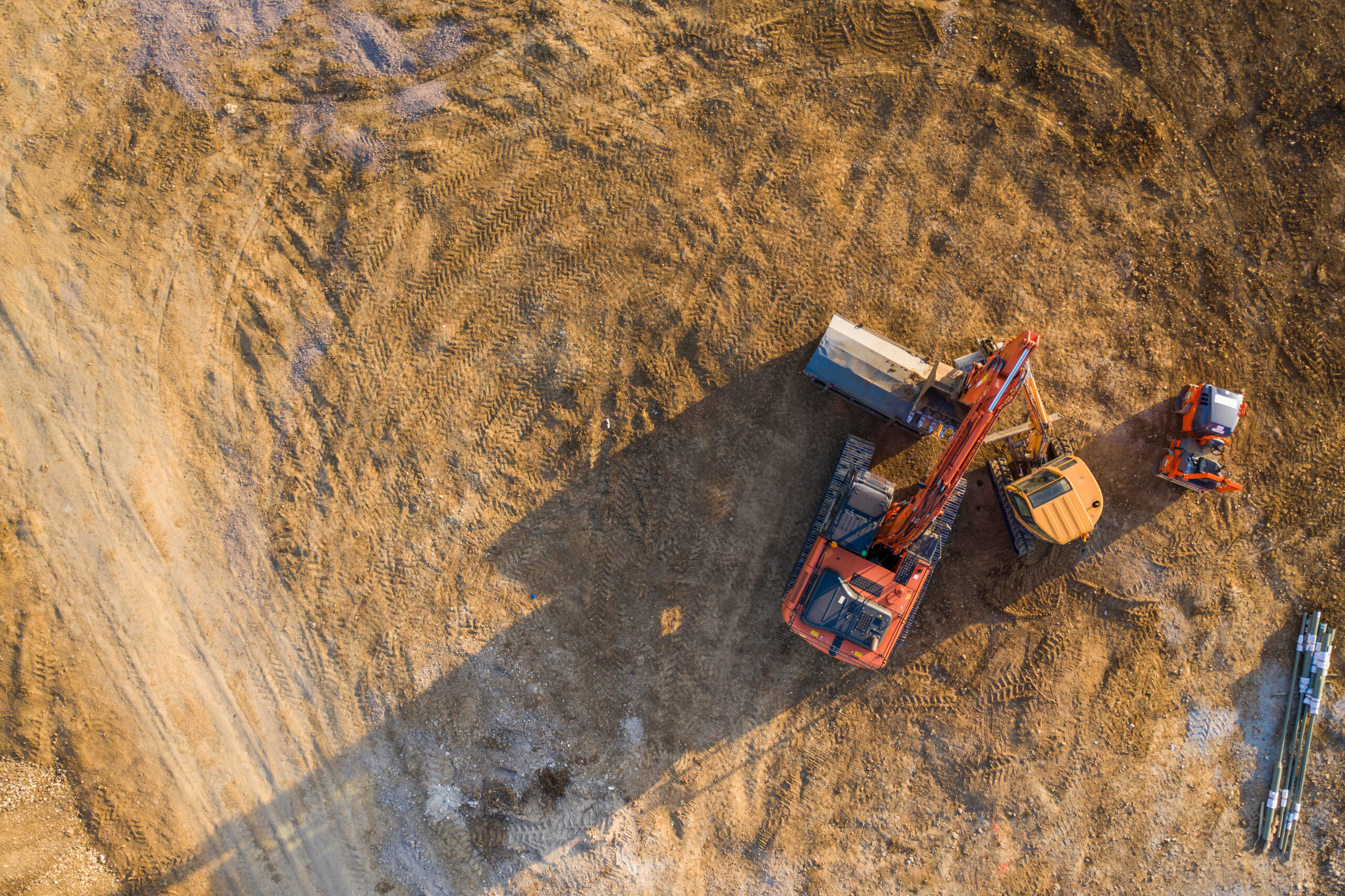
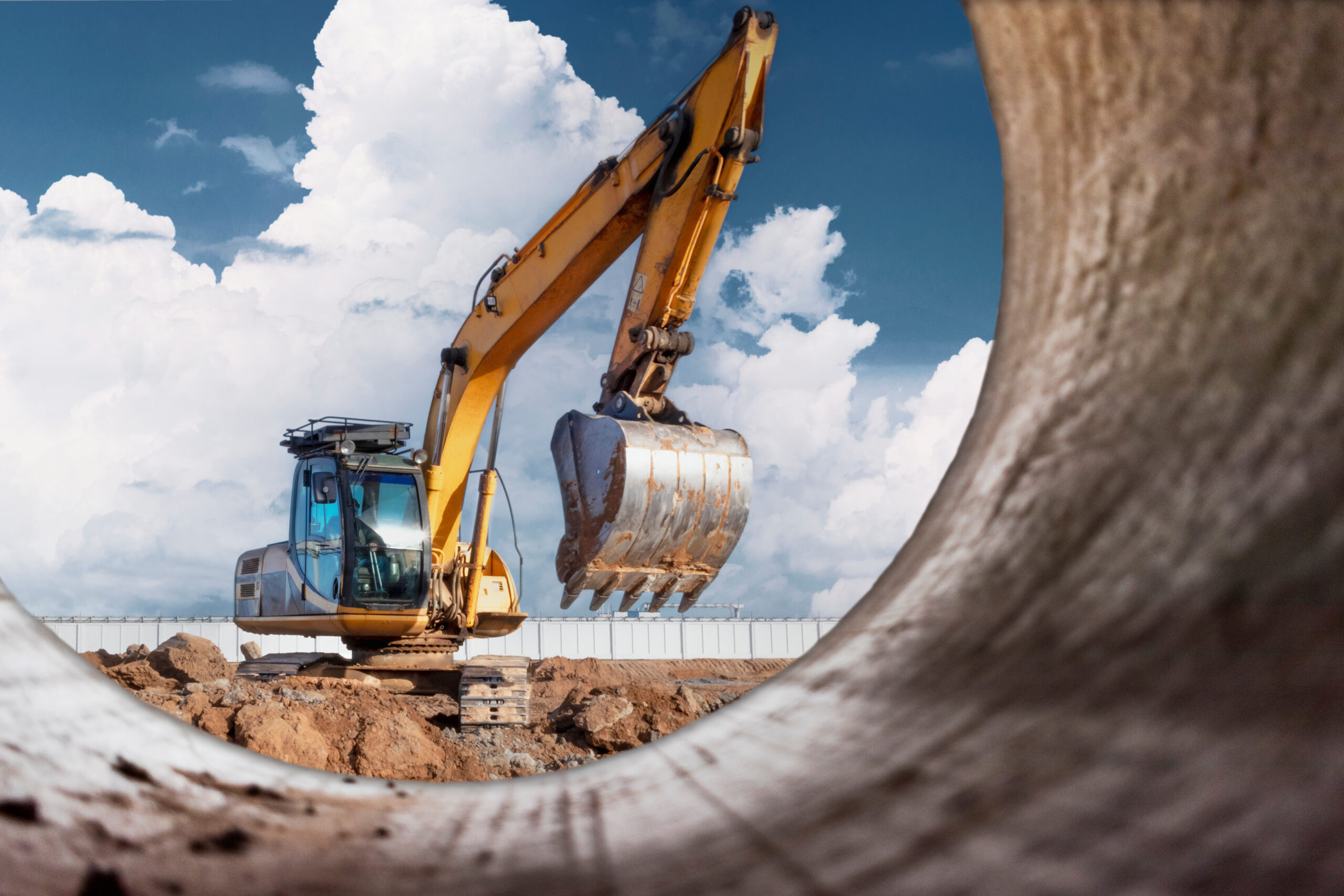
What underpins second-generation connectivity in the construction industry? The latest technological releases, such as the expansion and enhancement of digital connectivity driven by technologies like 5G, LEO (low earth orbit) satellites, and fibre optics, are making a profound impact on the construction site ecosystem.
The evolution is significant. Until a few years ago, construction sites were inherently resistant to receiving internet signals. Today, connectivity is a hallmark of these environments, enabling the transmission of data and information crucial for improving efficiency and decision-making processes. It allows for real-time monitoring of machine location and usage, as well as access to diagnostic and performance information.
This combination of elements provides indispensable support for fleet management, reducing fuel consumption, enhancing safety, optimizing maintenance scheduling, and ultimately, representing one of the areas where construction companies can reap immediate benefits from a connected construction site. But the real game-changer lies in the synergistic interaction between machines, a direct consequence of connectivity.

A Torrent of Data in 5G
The next-generation connected construction site is also a hub of instantaneous digital signals between the control centre, machines, equipment (still human-operated for now), materials, and projects. The physical control centre, hosted on a platform or in the cloud, makes construction site information accessible anywhere, anytime.
The flow of data and information supports decision-making across many areas, from work planning and personnel management to material procurement and machine and equipment organisation and management.
Artificial Intelligence: Already on Site
The days when AI was the stuff of science fiction are long gone. Less than a year after the ChatGPT boom, AI is already being discussed as an advanced technological reality with integration into short-term construction processes. Its rapid adoption finds fertile ground thanks to advanced connectivity.
The machine-to-cloud data flow enables AI to analyze all operational parameters. Based on this analysis, the AI can manage all currently automated functions and suggest the implementation of new functionalities, both onboard and in future iterations.
The Predictive Approach
Connectivity and AI optimise the efficiency and organisation of the entire construction site, from real-time progress monitoring to automating repetitive and low-tech operations (such as managing a concrete production or laying cycle) to inventory tracking and fuel levels for predictive refuelling or personnel management. Overall, they improve construction site workflows and minimize work disruptions.
However, many construction processes already exploit connectivity and digital functions. As anticipated, the world of earthmoving machinery and equipment is now realising that managing individual machines is evolving into managing machines within the construction site unit. Thanks to AI, communication is expanding further, reaching various digital platforms and organisational structures outside the construction site.
BKT offers a wide range of EARTHMAX tires for construction sites, specifically designed for the most demanding quarry-construction site activities, including giant models. Among these, EARTHMAX SR 46 equips rigid dumpers operating in rocky environments such as mines, while EARTHMAX SR 53, classified L-5, is designed for wheel loaders operating under challenging conditions.