
Autonomous Tractors: Are They Safe?
Autonomous tractors are the next big step in agricultural evolution. The debate around the safety of machines operating without direct human control is intensifying. But is there a real operational safety concern? Let’s delve into this topic in today’s article.
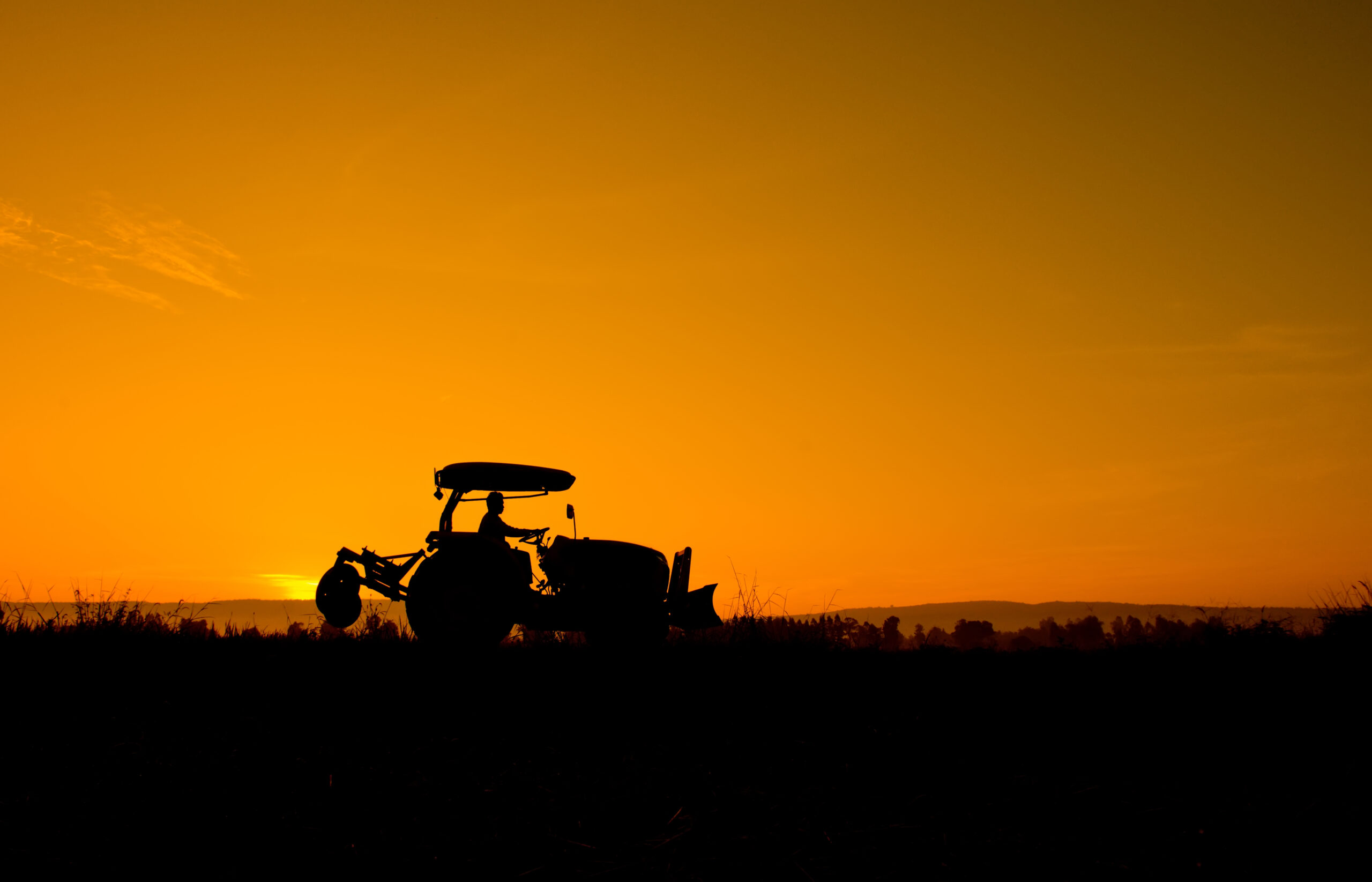
Autonomous tractors are poised to revolutionize agriculture, offering transformative potential for farming operations. These machines, capable of preparing seedbeds, sowing crops, and applying fertilizers and pesticides without a human at the wheel, address significant challenges such as labor shortages and the dwindling pool of skilled operators. This is particularly relevant as younger generations increasingly turn away from specialized agricultural careers. For years, European farmers have heard that autonomous technology was on the horizon and that self-driving vehicles would soon hit the market. Now, that vision seems closer to reality—at least in open fields. However, the possibility of autonomous tractors operating on public roads remains distant due to the lack of a comprehensive regulatory framework. Meanwhile, in parts of North America, 14-ton, high-powered autonomous tractors are already at work, operating day and night without an operator in the cab or even nearby. This signals the dawn of a new era in agricultural mechanization.

Years of relentless innovation
This milestone represents over a decade of consistent development by some of the world’s leading agricultural machinery manufacturers. It’s also a significant breakthrough for proponents of automation, who have long anticipated the debut of this technology. When industry giants set the pace, it’s usually only a matter of time before the rest of the sector adopts similar advancements, bringing these innovations to the wider market.
Uncertainty Surrounding Purchase and Operating Costs
Manufacturers have yet to disclose the average price of an autonomous model, though it’s expected that the advanced systems will increase the cost compared to premium traditional tractors. However, savings could arise from simplified designs, such as removing driver cabs, which may eventually become obsolete.
Public hesitancy toward autonomous vehicles
Over the past decade, the long-anticipated rollout of autonomous industrial vehicles, like self-driving trucks, has faced delays due to safety concerns involving other vehicles and pedestrians. Agricultural tractors, however, operate in a different context. They work in controlled environments where risks like interacting with other vehicles or pedestrians are minimal. Autonomous tractors rely on continuous data flows from GPS, satellites, sensors, and radar. Unlike cars, they don’t risk losing guidance signals in tunnels or urban areas. Open fields, particularly large ones, eliminate the possibility of encountering pedestrian crossings or obstacles that could force sudden trajectory changes. Moreover, these machines operate at low speeds, typically under 20 km/h. Many modern tractors already use GPS guidance for precise steering and turning, ensuring optimal plowing, sowing, and harvesting. Real-time data further enhances their efficiency, allowing adjustments to soil conditions, fertilizer application, and other factors. Essentially, an autonomous tractor enables farmers to attach an implement, start the machine’s operational cycle via smartphone, and let it work independently in the field.
The Electronic Eye Versus the Human Eye
Equipped with cameras that function as “eyes,” autonomous tractors provide a 360-degree view of their surroundings. These cameras, combined with specialized algorithms, allow the tractor to determine its position in the field and immediately stop if it detects any anomaly.
Perfect Fit for Large-Scale, Unfragmented Agriculture
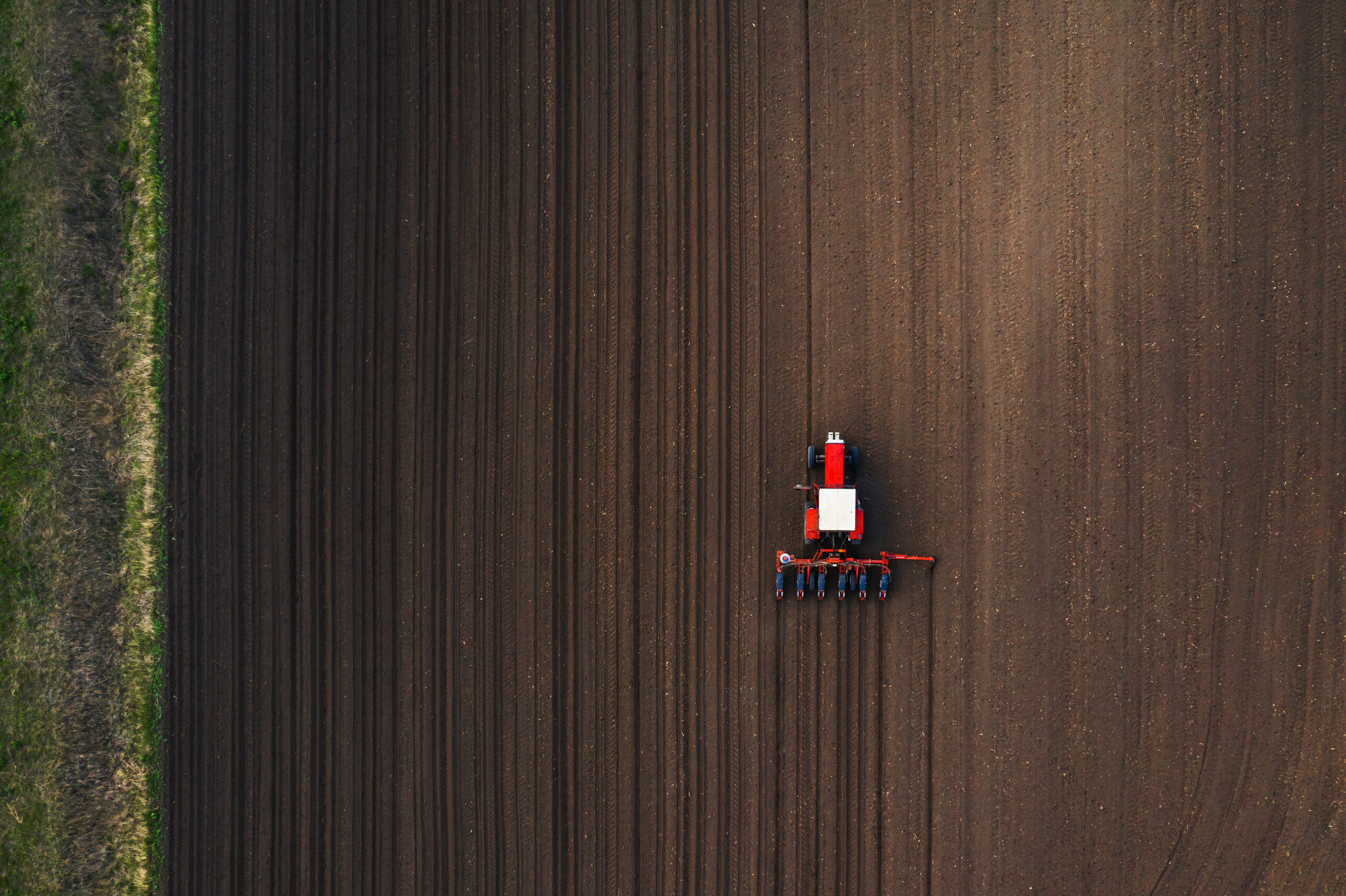
In countries like France and Germany, as well as across the expansive farmlands of North America, farmers often manage fields spread over significant distances. While the autonomous tractor works one plot, the farmer can focus on another or attend to other business tasks, reducing the monotony of repetitive fieldwork. The move toward more sophisticated tractors reflects a broader trend emphasizing the need for precision and timeliness in tasks like sowing, fertilizing, and harvesting. This technology addresses the challenges of unpredictable field conditions, such as the narrow windows of opportunity that arise after heavy rain. Autonomous tractors allow farmers to complete tasks when soil and air temperatures are optimal, potentially just before a storm, leading to higher crop yields and better timing of operations.

Autonomous Tractors: Not Immediately Within Everyone’s Reach
Despite their promise, autonomous tractors won’t be immediately accessible to most farmers. Barriers to adoption include high initial costs, which will likely keep many farmers relying on traditional methods for years. Additional challenges include infrastructure issues, such as inadequate 5G coverage in rural areas, and the need for skilled operators capable of managing remote fleets.
Legal Liability
One of the most debated issues is legal liability. Unlike industrial robots that operate in controlled environments, agricultural machines work in spaces where the presence of humans or animals cannot be entirely ruled out. While accidents involving traditional tractors and equipment are a known risk, there is a perception that incidents involving autonomous machines might be due to the absence of a human operator who could intervene in an emergency. If autonomous equipment becomes commercially available, insurance companies may insist on having a human operator on-site to stop the machine in case of malfunctions. Such a requirement could undermine the primary advantage of autonomous tractors: their ability to work independently around the clock. Liability concerns are closely tied to the public and political acceptance of this technology. As with any innovation, resistance is common, especially when it disrupts established practices or appears to pose physical safety risks.

Will people trust autonomous farming machinery?
Over time, trust in autonomous agricultural machinery may grow, but likely only after additional safety measures are implemented. These could include requiring human oversight during machine operation or mandating physical barriers, such as fencing off fields being worked by autonomous tractors, to prevent unauthorized access. Advancements in safety technology are already in development. Researchers are exploring advanced sensors and controls that enable machines to autonomously manage malfunctions and emergency stops. However, it’s unrealistic to expect a sensor for every possible issue, meaning some level of human presence in the field will likely remain necessary for the foreseeable future. The evolution of autonomous tractors presents a fascinating challenge for the agricultural industry. It’s a journey filled with opportunities and unanswered questions. For further insights into this groundbreaking technology, stay tuned to our blog!