
Autonomous Construction Equipment: Where Are We At?
Autonomous driving in construction machinery is still a long way off from widespread adoption across the entire construction industry. Today, we’ll explore some of the key technical challenges hindering its diffusion, especially those related to work safety and ensuring smooth human-machine interaction within the dynamic environment of a construction site.
Is the construction industry ready for driverless vehicles? There are many challenges that the construction machinery industry must face to prepare for a world of autonomous operations. The first research programs on automation in construction date back to 1985 with the first autonomous quarry dumpers: a technology developed in an environment free from many of the constraints that exist in many other construction sites, and which for years have made this sector not ready for automation. In the next evolutionary step, engineering research focused on the individual elements and components necessary to make automation on site a reality, such as improving GPS, satellite technology and on-board monitoring systems. But is the construction industry finally ready to embrace automation after all these years?
A Challenging Terrain
The development of driverless vehicles has raised many engineering challenges: from user scepticism to the difficulties of developing artificial intelligence (AI) capable of responding correctly to situations never encountered before. It is evident that each sector presents different challenges and opportunities. To understand this concept, it is necessary to think of other areas of automation development, such as “robotaxis” whose development has been hindered by the complexity of urban environments, unlike long-haul freight transport, characterised by more predictable, repetitive routes and on long and straight roads: perfect requirements for the adoption of autonomous technology.

Diverse Approaches to Construction
The wide variety of vehicles and roles in the construction sector make it difficult to generalise the prospects for automation. According to many experts, automation will play only a “minor role” soon, with most vehicles remaining at level two for the next ten to fifteen years, where level two autonomy refers to operator assistance, such as automatic steering, already widely used.
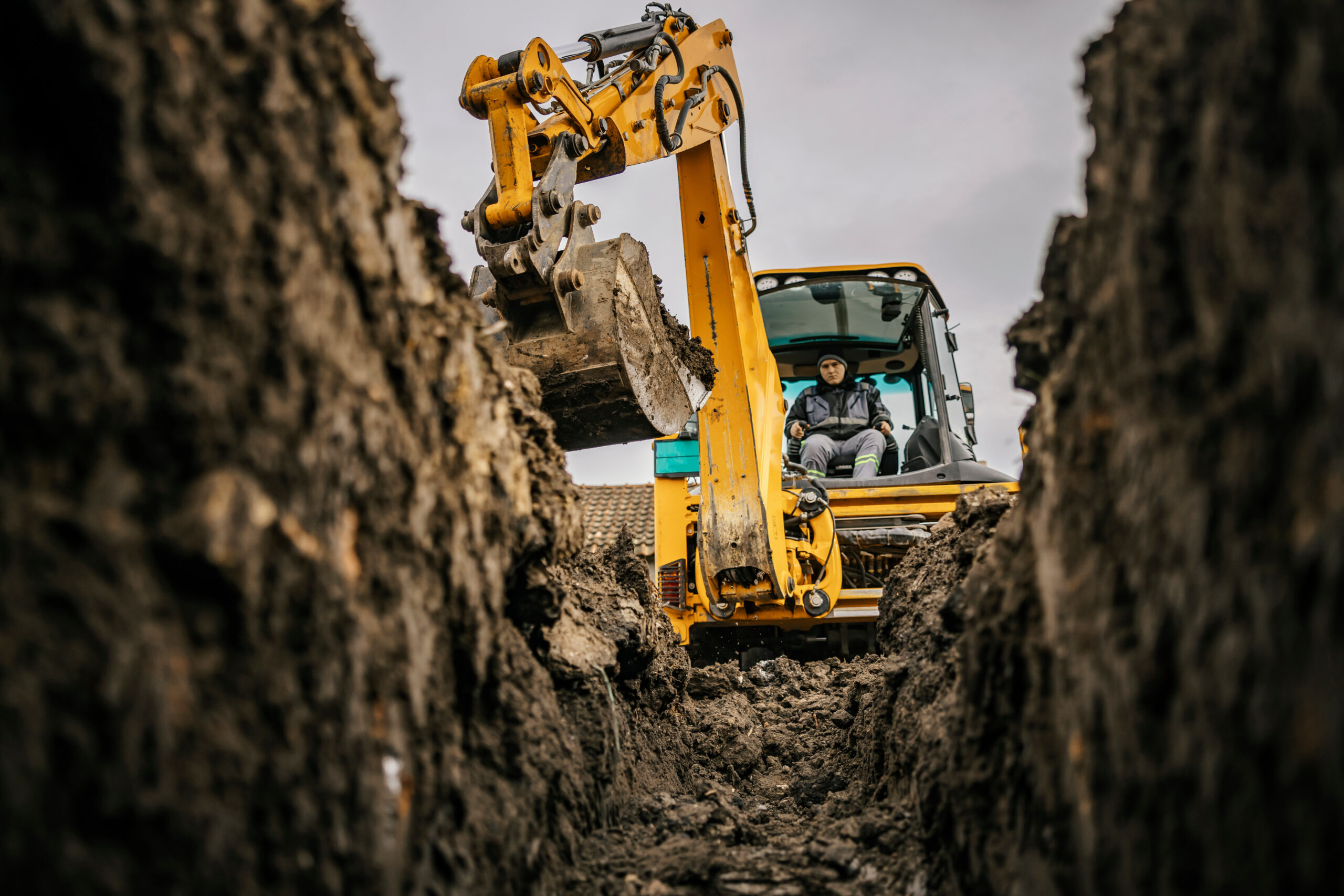
Earthmoving mechanization takes place in an environment that is particularly difficult for automation, due to the complexity and dynamism of construction sites, the fact that the machines are used only for limited periods of time and in different locations, and the need for precise interaction between multiple machines.
In fact, it is considered much more realistic and achievable for the construction sector to develop and use “intelligent” construction machinery, but still limited to semi-automatic, automated, or support functions, with reference to pre-selected construction processes (such as earthworks, road construction, or special heavy industrial constructions).
Nevertheless, these solutions have the potential for significant increases in efficiency and productivity and could relieve machine operators of repetitive and tiring tasks. However, a comparison of the current state of autonomous or “intelligent” construction machinery is both possible and desirable.

Automated Quarry Transport: The Perfect Environment
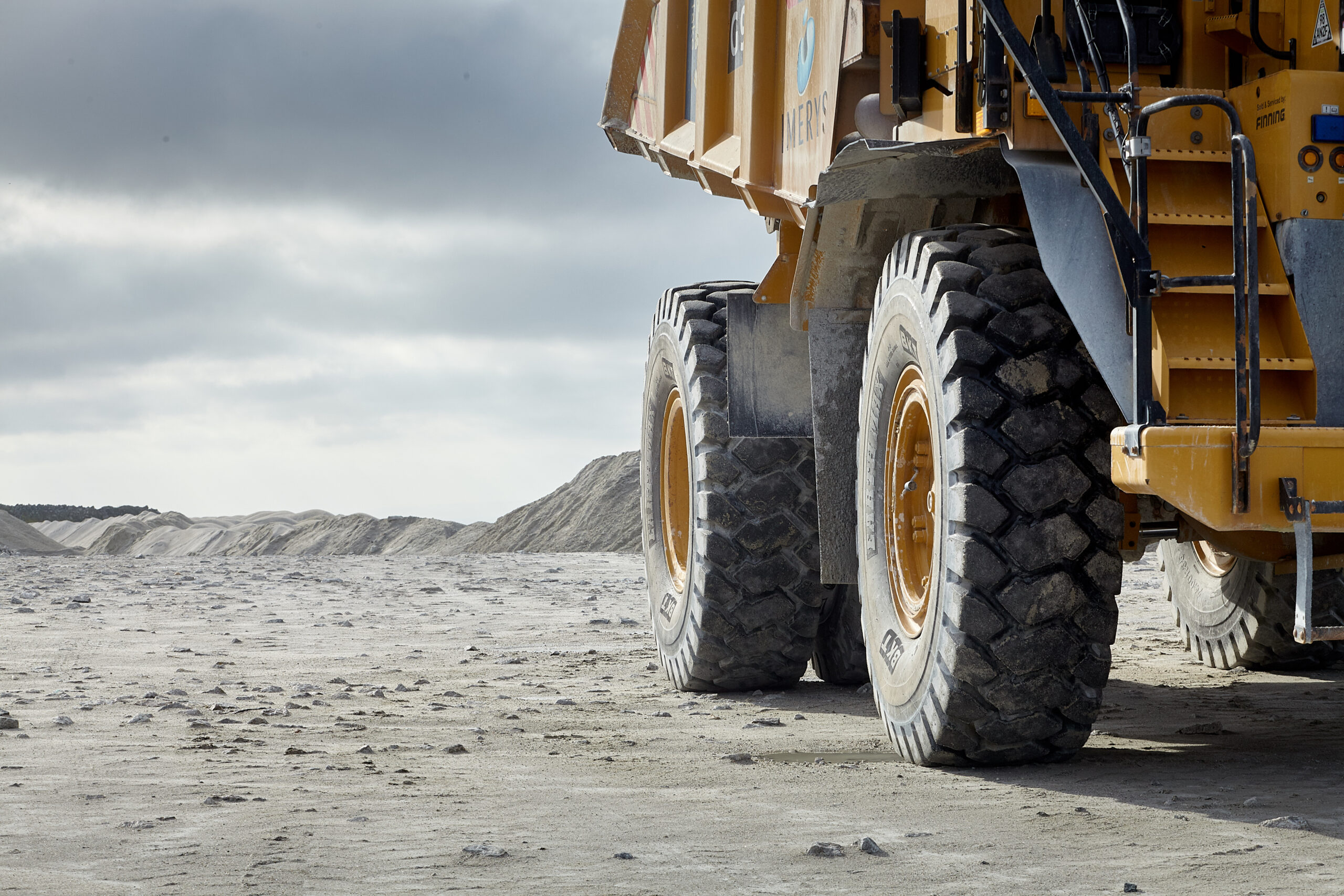
Focusing on transport systems in controlled environments like quarries and mines, where automation is already prevalent, is a strategic choice for some construction players. Here, the arguments for automation are gaining even more traction.
Autonomous extraction is more efficient, thus reducing overall costs. The almost continuous use of the machines and the elimination of shift changes can greatly increase productivity. Improvements in cameras, sensors and data compression technology are all elements that will contribute to further cost reductions in the coming years.

The Safety Factor
Another key advantage is the improvement in safety, particularly in hazardous environments. These driverless vehicles can eliminate the risk of human error, but navigating inhospitable terrain remains a challenge.
Thorough testing is crucial, not only to ensure the AI’s ability to handle such conditions, but also to guarantee the durability of conventional components like steering parts.
The Costs of Automation Components
In their pursuit of a competitive price point, OEMs should be cautious not to compromise on quality. Cutting corners can lead to higher life cycle ownership costs for the vehicles, negating the potential gains in productivity.
Sophisticated off-highway driverless vehicles have been successfully operating in mines and quarries worldwide for years, offering significant safety benefits for operators. Stay updated on industry developments and the adoption of such technologies by following our blog.