
Buying a Second-Hand Wheel Loader: The Golden Rules
Buying a second-hand wheel loader can be a smart investment, but it requires attention, time, and a solid understanding of what to look for. Every detail, from the engine to the paperwork, can make the difference between a great deal and a costly mistake. Read on for our expert advice!
Thinking about buying a used wheel loader might seem risky at first, but if you’re well-prepared, it can actually be a smart and cost-effective move, especially when purchasing a brand-new machine is out of reach, perhaps due to limited access to credit. Many professionals in this situation face a common dilemma: should they rent a loader or purchase a used one? The answer depends on specific needs, but in many cases, investing in a well-maintained second-hand machine can offer greater long-term value without sacrificing performance or reliability on site.
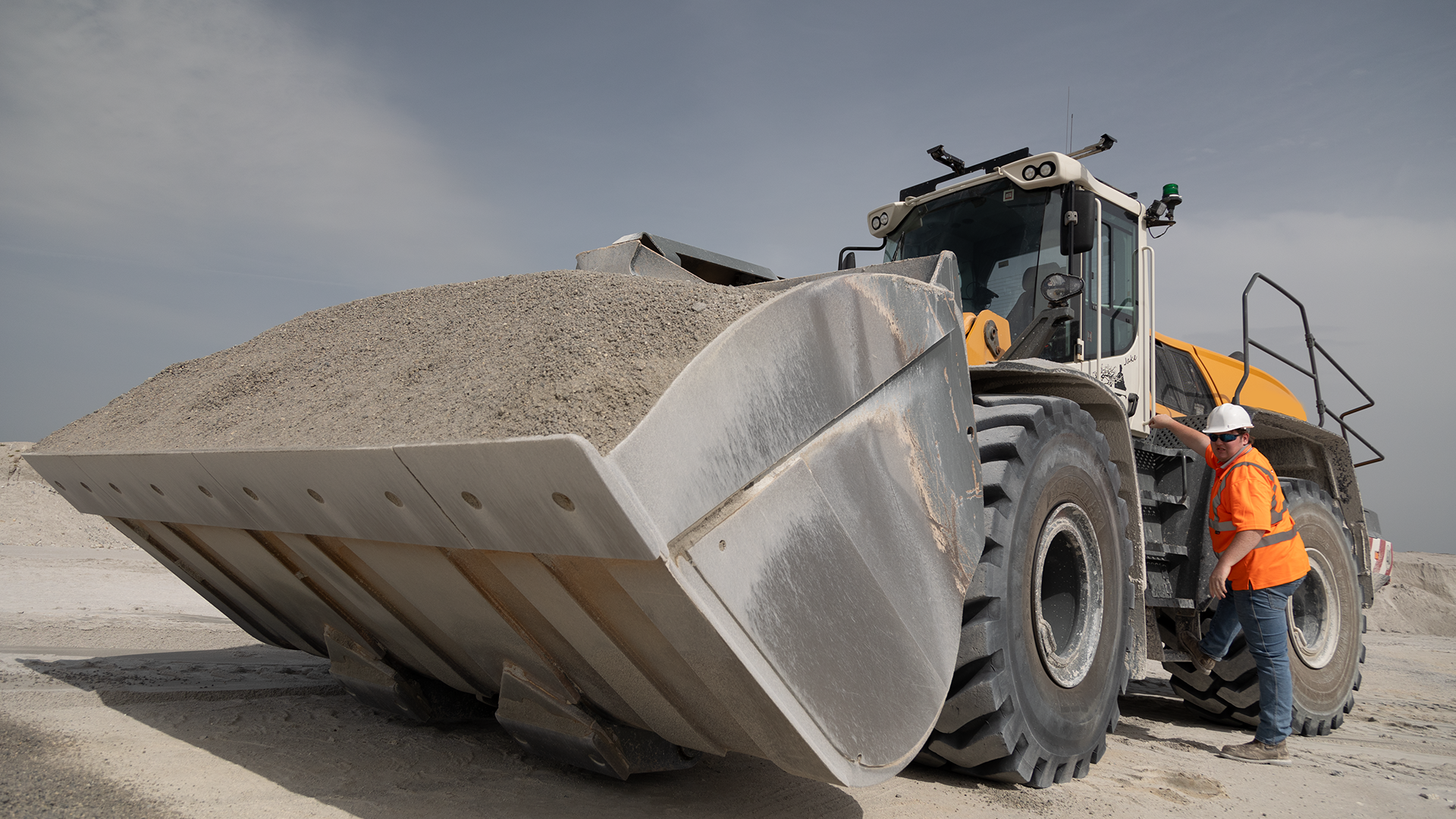
Used wheel loaders can still deliver solid, or even excellent, results at a significantly lower cost than new models. If chosen carefully, a used machine lets you save a considerable amount while maintaining strong performance, since many loaders hold their operational value well even after years of use. But to make a smart purchase, it’s essential to know how to properly assess a used machine, thoroughly evaluating its components and maintenance history. In this article, we’ll explore why a used wheel loader might be the right choice and guide potential buyers in selecting the right equipment, while avoiding the most common pitfalls.
Preliminary Planning: Where Will the Loader Be Used?
Buying a used wheel loader, just like a new one, is a strategic decision. To make an informed choice, you must understand where and how the machine will be used. Will it be working on a fixed job site or need to move on public roads? If it’s the latter, you’ll need to check that the vehicle’s dimensions and weight comply with road regulations to avoid problems with transport permits or the need for specialized trailers. Knowing the operating context in advance will help you select the model best suited to your actual needs.
Choosing the Right Bucket: Match the Tool to the Task
Once you’ve defined how the loader will be used, the next step is choosing the right bucket. This aspect is often underestimated, but it’s critical for work efficiency. The bucket’s size should suit the type of material you’ll be handling, sand, gravel, soil, etc. You also need to consider the dump height to ensure the loader can unload into trucks or containers without issue. The wrong bucket can lower efficiency and even damage other machinery. If the loader isn’t already equipped for hydraulic attachments like clamps or blades, check whether a third hydraulic function can be added without excessive costs.
Body, Frame, and Common Sense: Key to Assessing Condition
One of the most important aspects of buying a used wheel loader is its overall condition. Inspect the bodywork closely for rust on metal parts or signs of repainting that might hide prior damage. Ironically, parts that look too new might indicate replacements after a serious issue. A thorough inspection, including the engine compartment and cab, can reveal a lot about the machine’s maintenance history. Even small leaks or signs of structural damage can point to excessive wear or improper use.
The Cab Reveals More Than You Think
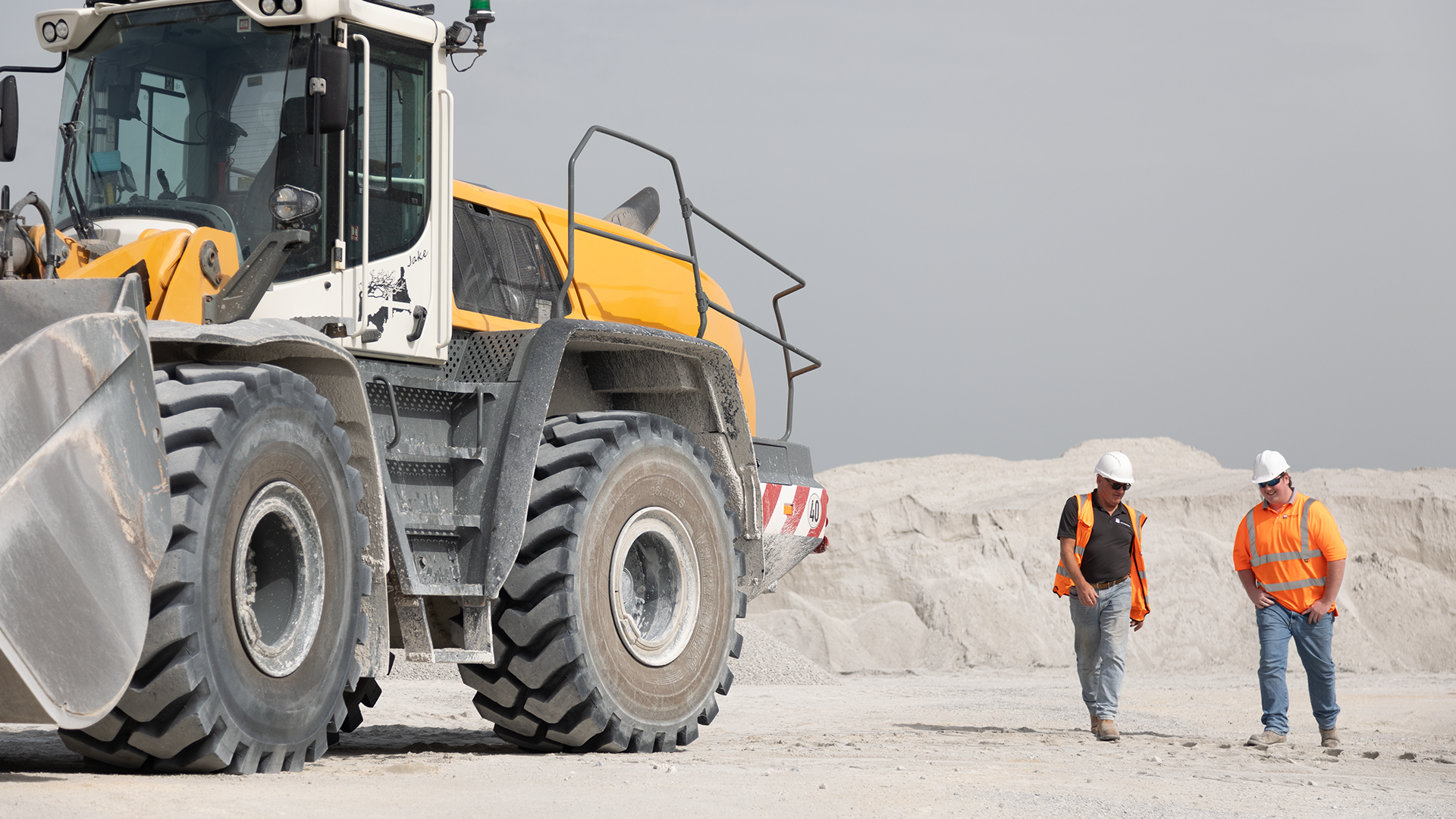
The cab is where the operator spends most of their time, so it’s critical to examine it carefully. Check that plastics, controls, and windows are in good condition to ensure comfort and safety. Look for signs of wear or abuse, like broken panels, poorly assembled parts, or malfunctioning controls. You should also test all systems, air conditioning, heating, lights, and safety indicators (like headlights, turn signals, buzzers), and inspect electrical components like control units, wiring, and fuses.
Tires and Rims – An Honest Look at Wear and Tear
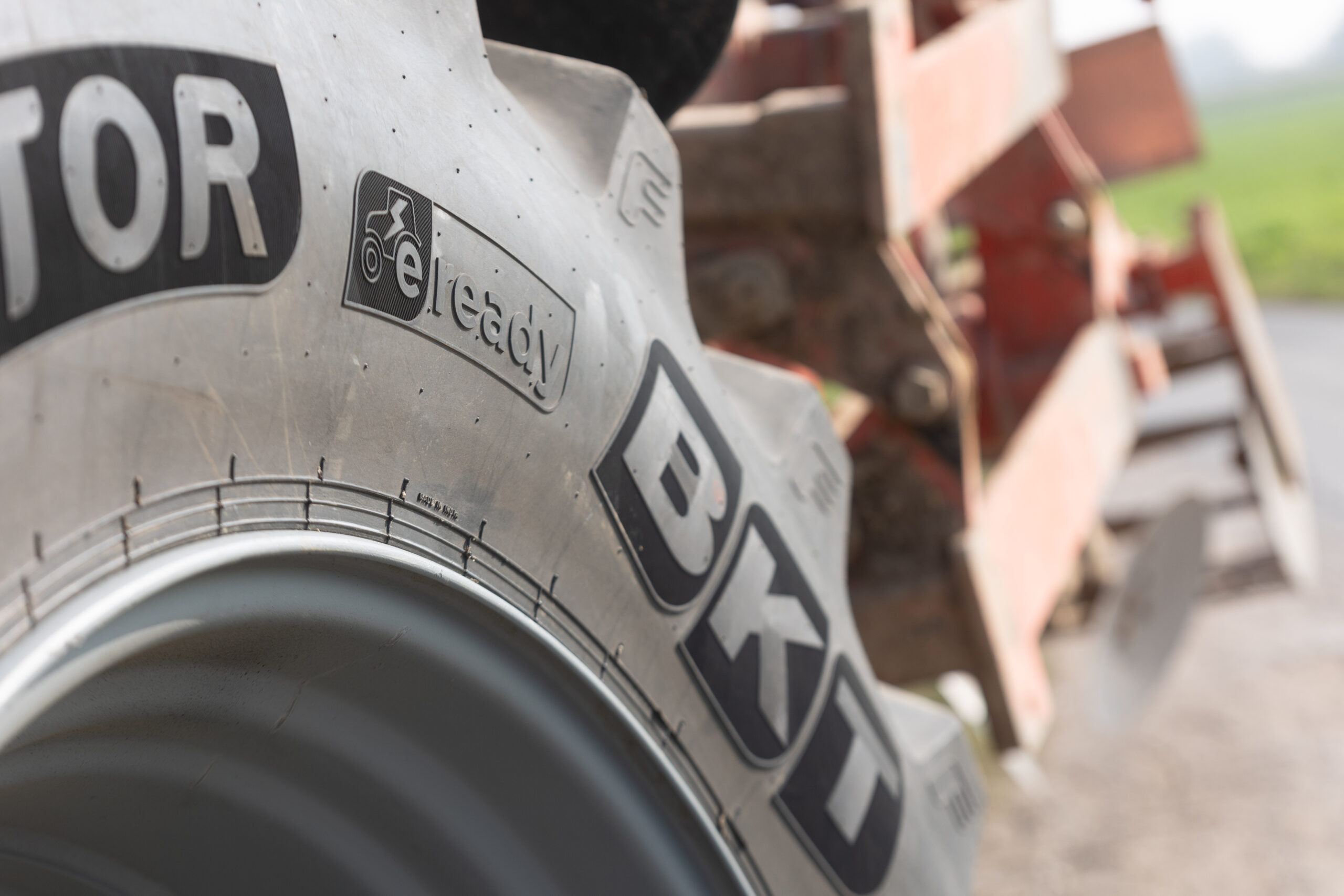
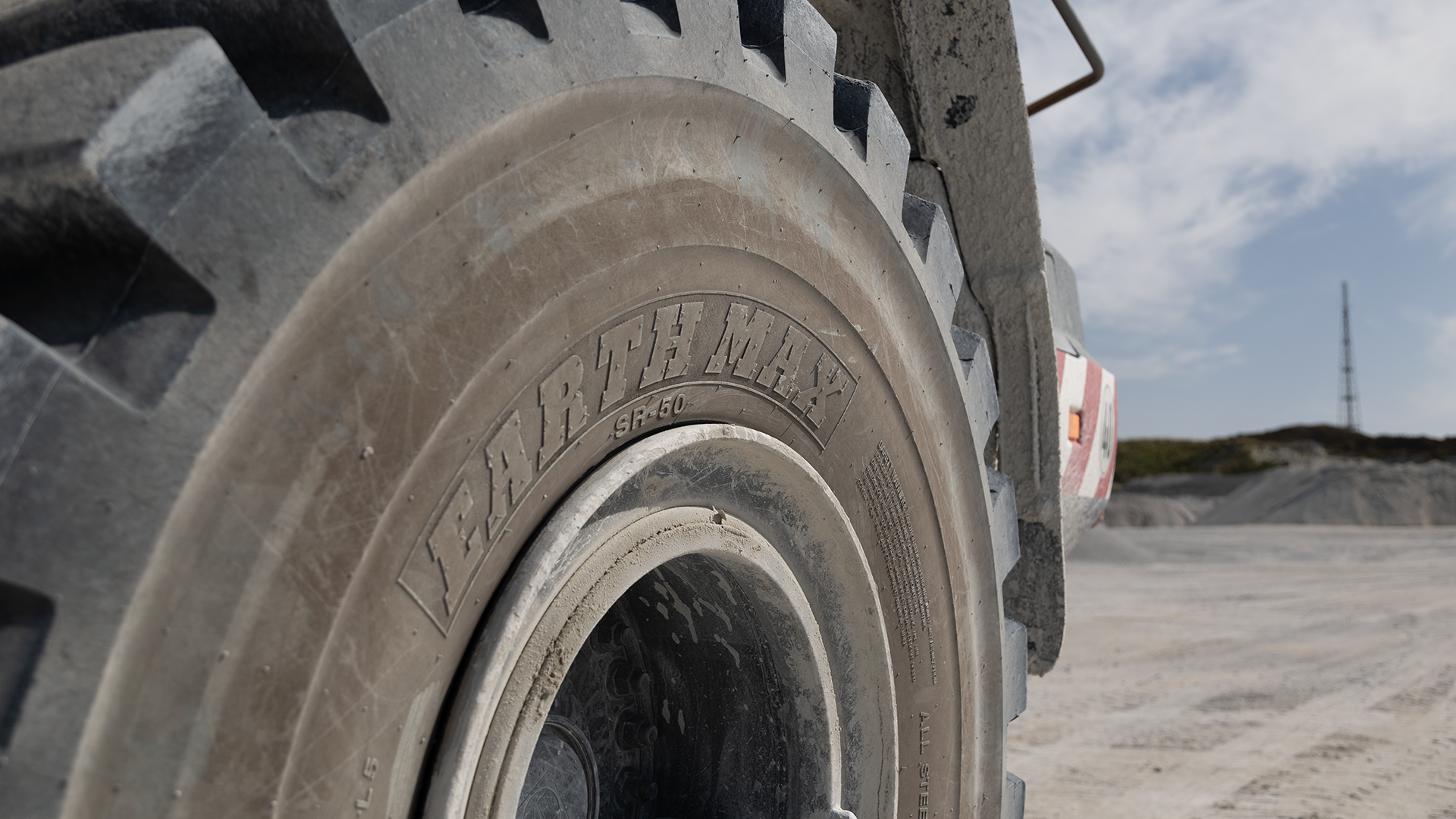
Next, shift your focus to the tires, an often overlooked but vital component. Structural damage or heavy wear can lead to major expenses and compromise the machine’s stability and safety. Inspect the tread and look for any tears, especially on the sidewalls. Check whether the tires have anti-puncture materials inside, as these can affect balance. Don’t forget to inspect the rims and bolts for rust or signs of repair, these might indicate intense use or poor maintenance.
The Engine: Inspect It Thoroughly
The engine is one of the most critical components and deserves your full attention. It’s a good idea to bring along a skilled mechanic who can carry out a detailed checklist focused on wear-prone parts. Before buying, check the engine, filters, and fluids, especially engine oil, coolant, and hydraulic oil. Also examine belts and coolant for unusual emulsions or leaks from the radiator. Check the engine’s electrical system too: inspect cables and rubber hoses to ensure they’re not dry, cracked, or rodent-damaged. Look out for any fluid leaks and test both cold and warm starts to ensure the engine runs smoothly without strange noises or excessive smoke. If the engine stalls or loses power under load, that’s a red flag for costly repairs. Also, don’t overlook airflow to the turbocharger, which should be free of cracks or defects. Listen closely to startup sounds and check exhaust smoke quality. A proper inspection involves both external checks and monitoring dashboard indicators and onboard diagnostics.
Transmission: The Key to Smooth Operation
The transmission, whether mechanical, powershift, or hydrostatic, is a major factor in a loader’s performance. Each type has pros and cons, so you need to test how it performs under load. In addition to a static check (like inspecting transmission oil), a dynamic test is essential. Ideally, a qualified operator should test the loader in actual working conditions to detect any unusual noises, vibrations, or sticking issues.
Hydraulic System: The Loader’s “Circulatory System”
The hydraulic system powers the loader’s key functions – from lifting to steering – and must be in good shape. Start by checking the hydraulic oil, which should be clean. There should be no leaks from hoses, fittings, or valves. Test the loader’s responsiveness under load to ensure smooth bucket operation and steering. Even small oil leaks require further investigation.
Cylinders and Axles: Don’t Skip the Essentials
Hydraulic cylinders and axles are vital for stability and function. Make sure the cylinders are free from cracks, oil leaks, or excessive wear. Check that the axles are well-lubricated, quiet, and fully functional. Pay special attention to the central pivot or articulation point (if present) to ensure there’s no unwanted play or looseness.
Don’t Overlook the Paperwork
Before finalizing the purchase, make sure the seller provides all necessary documents for registration and legal use. Key items include the user and maintenance manual, CE certificate (for machines built after 1996), registration documents, and license plate if needed. Missing documents can create serious legal issues, so double-check everything beforehand to avoid future headaches.
And Finally – Common Sense: Who Are You Giving Your Money To?
Where you buy your used loader is just as important as what you buy. There are several options, each with pros and cons. Authorized dealers are often the best bet, they typically offer inspected, certified machines with warranties and after-sales service. You might also find thoroughly tested and refurbished equipment, minimizing the chance of surprises. Dealers also provide better transparency around machine history and maintenance. Another solid option is using online platforms that specialize in used machinery. These can offer a wide selection at competitive prices. But be cautious, always check the seller’s reputation and ask for detailed information, recent photos, and documents. Avoid non-specialist resellers or private individuals with little industry knowledge. Buying unseen or without a warranty is highly risky. Even if the price looks good, lack of transparency around history and critical components can turn a bargain into a nightmare. Steer clear of uncertified markets or auctions that don’t allow thorough inspections, they rarely provide the information needed to make a truly informed choice. This article covers just some of the many checks you should carry out when buying a used wheel loader, or any used earthmoving machine. The takeaway? A used loader can absolutely be a great opportunity, but only if you approach the purchase with care, awareness, and zero rush.