
Corn Weed Control: Why an Integrated Strategy Is Essential
Effective weed control in corn requires the right strategy—an integrated approach, optimized equipment, and the right tires to get the most out of every intervention.
With fewer active ingredients available for weed control in corn, managing weeds is becoming more challenging for farmers. Residual herbicides are increasingly restricted across the European Union, reducing their once-crucial benefit: lingering effectiveness in the soil after application. Still, effective weed management is possible through an integrated approach that combines agronomic strategies with advanced equipment fitted with specialized tires. These help boost precision and minimize soil compaction. Read on for a closer look at how to adapt your approach in 2025.
The Weed Control Landscape in 2025
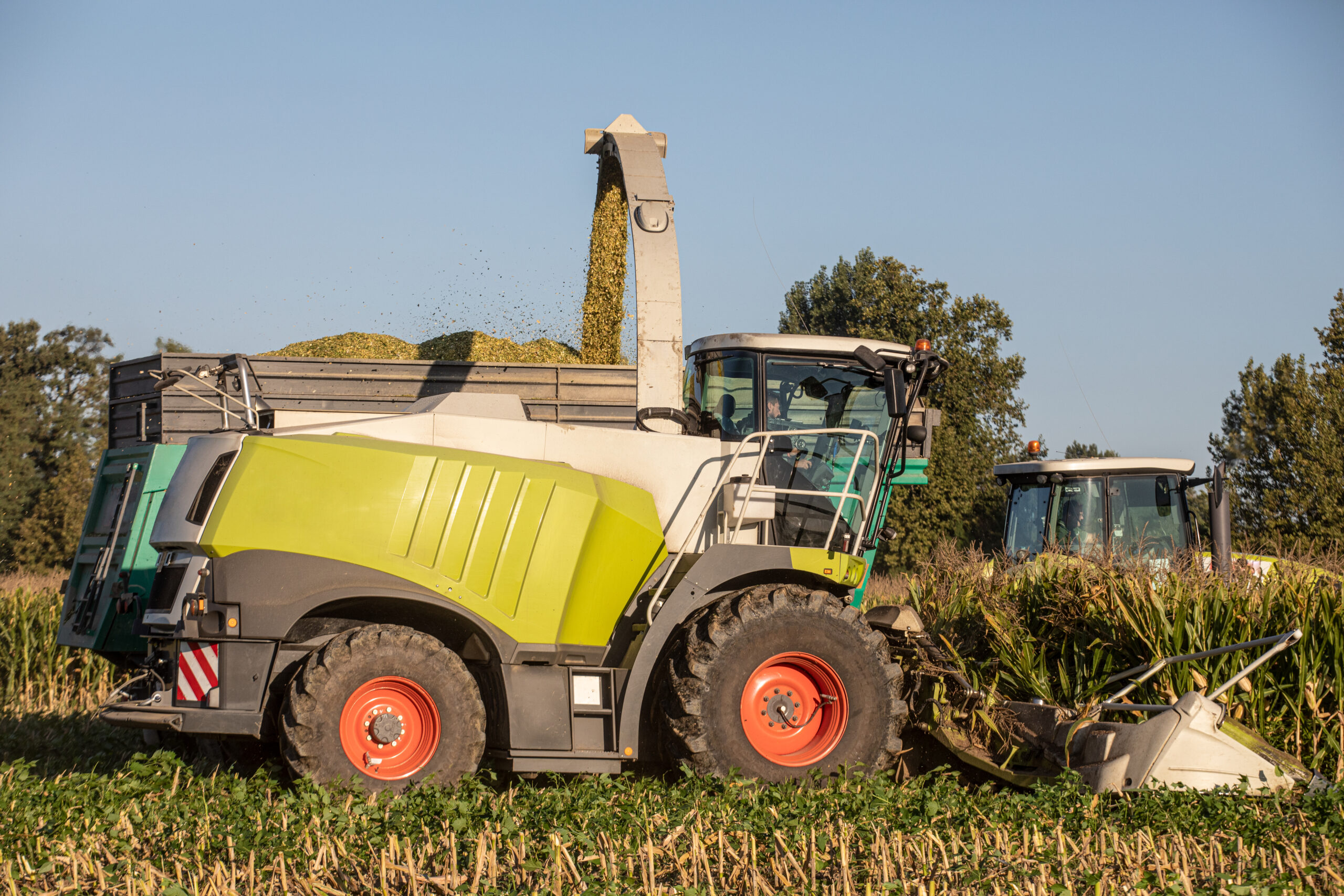
As the 2025 corn season begins, farmers must rethink their weed control strategies due to new regulations and evolving environmental conditions. The withdrawal of S-metolachlor, tighter restrictions on terbuthylazine, and the impact of climate change all highlight the need for region-specific, adaptable solutions. S-metolachlor, a long-standing pre-emergence herbicide from the chloroacetamide family, has played a key role in controlling annual grasses and sedges like Cyperus esculentus, an increasingly invasive species in corn-growing regions. Its consistent performance also made it a valuable option for managing resistant biotypes of barnyard grass (Echinochloa crus-galli), especially where ALS herbicides were losing effectiveness due to resistance.
Integrated Weed Management Is the New Standard
Going forward, tackling barnyardgrass in high-infestation areas will require a more nuanced strategy—combining pre-emergence applications with targeted post-emergence treatments and tailoring agronomic choices to local weed biodiversity. Another complication involves terbuthylazine, where usage restrictions vary depending on the formulation. These constraints can limit when and where farmers can apply treatments, making it harder to manage aggressive species like knotweed, Acalypha, Bidens, and Galinsoga, all of which can drastically impact yields. In areas with heavy sedge pressure, the loss of S-metolachlor requires a broader rethink—not just of corn weed control tactics, but also of crop rotation plans, to prevent the spread of more aggressive weed species. This is where combining different herbicide modes of action, improving soil cultivation techniques, and considering alternative agronomic solutions becomes essential. By doing so, farmers can maintain control over weeds while safeguarding the long-term sustainability of their operations. In short, corn weed control in 2025 demands a planned, flexible, and adaptive approach—one that responds to regulations and environmental challenges, without sacrificing yields or driving up costs.
Blending Agronomy and Chemistry for Smarter Weed Control
This modern approach to protecting corn from invasive weeds is best described as a strategic blend: a thoughtful use of available herbicides—paying close attention to rotating modes of action to prevent resistance—combined with smart mechanical solutions. Crop rotation and cover cropping help reduce weed pressure, especially when paired with precision planters equipped with lightweight, specialized tires. These reduce surface damage and make it easier to operate in fields with cover crops. Mechanical weed control is also on the rise: GPS-RTK-guided row cultivators, mounted on tractors with high-traction, stable tires, allow for accurate passes between rows without harming the corn plants. Smart planting strategies and new corn hybrids are also powerful tools. For example, tires with optimized tread reduce compaction in germination zones, encouraging quicker early growth and more effective ground cover—which helps suppress weed emergence naturally.
Don’t Underestimate the Role of Tires
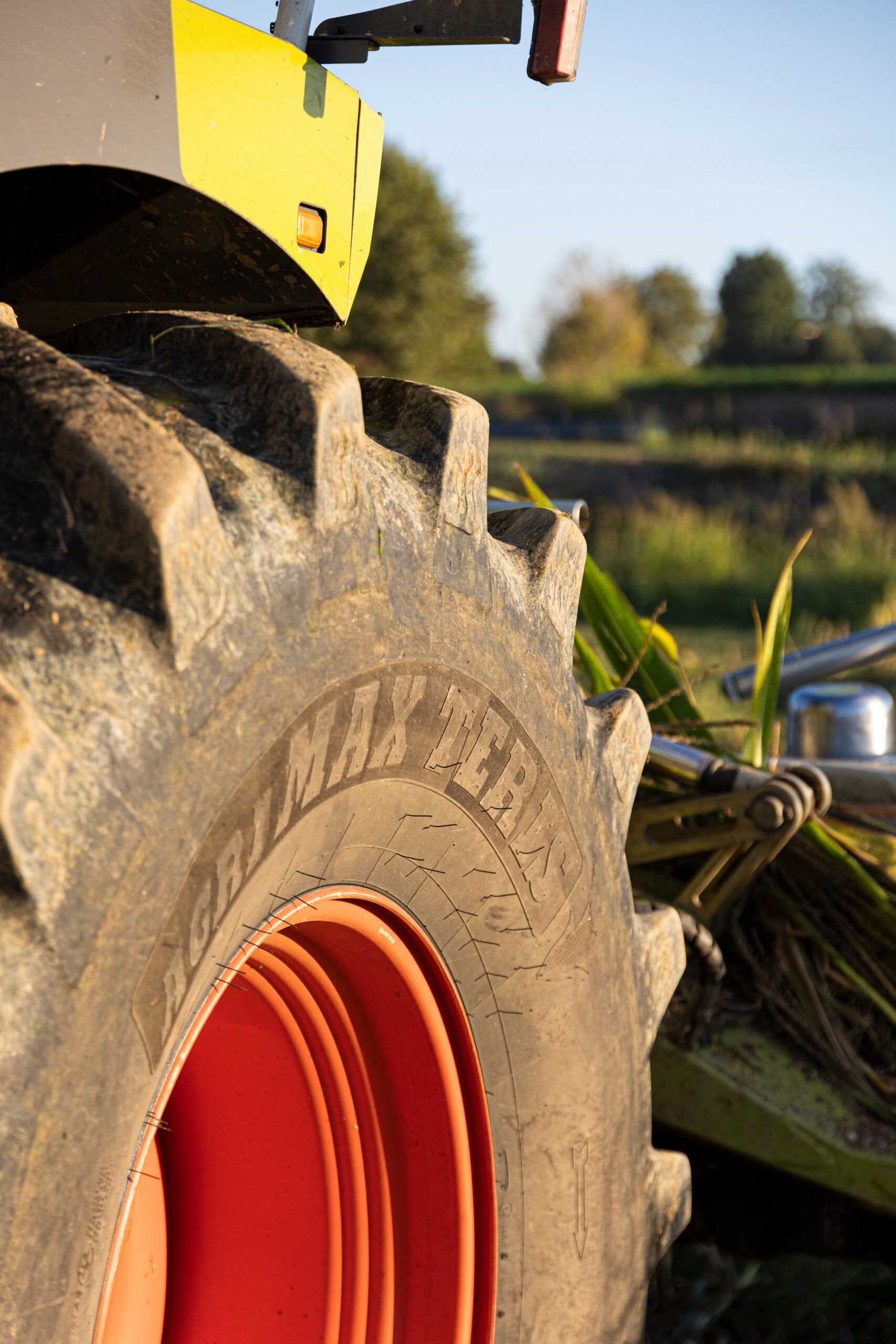
An integrated strategy means paying attention to every detail that can improve field performance—including tire choice. Selecting the right tires for each phase of weed control can make a real difference. Sprayers and high-clearance machines equipped with narrow, reinforced tires can work even in later corn growth stages without damaging the crop. Meanwhile, tractors with VF (Very High Flexion) tires distribute weight more evenly at lower pressures, minimizing soil impact. For mechanical weeding, machines with puncture-resistant tires are crucial for uninterrupted work on rough or debris-filled fields. Ultimately, successful integrated weed management also relies on using equipment with advanced tires. This helps farmers stay productive and sustainable. By reducing the number of passes and optimizing each intervention, it’s possible to keep weeds under control while protecting soil health and crop performance. In 2025, corn weed control can no longer rely on single-solution fixes. Only a truly integrated approach—combining agronomic planning, targeted herbicide use, and well-equipped machinery—will allow farmers to meet new challenges without compromising yield or sustainability. Stay tuned to our blog for more on effective weed control strategies, the latest industry updates, and practical tips for managing your crops sustainably and successfully!